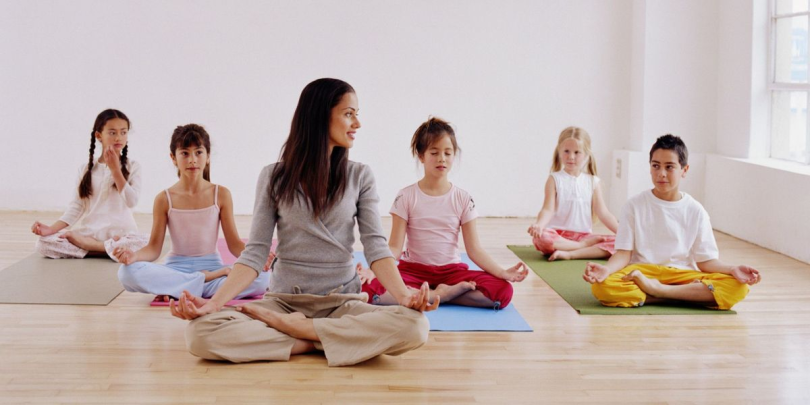

Mindfulness practices have become one of the most effective ways to reduce stress, improve focus, and create a healthier relationship with everyday life. In today’s fast-moving world, many people struggle with constant distractions, emotional pressure, and mental fatigue. Practicing mindfulness offers a practical solution by helping individuals stay fully present instead of worrying about the past or future. Unlike complicated self-improvement methods, mindfulness is simple, accessible, and suitable for people of all ages.
For beginners, starting a mindfulness journey does not require expensive equipment, special training, or hours of daily commitment. Even spending a few minutes each day paying attention to your breath, thoughts, or surroundings can gradually transform your mental and emotional well-being. Over time, mindfulness strengthens self-awareness, improves emotional balance, and supports healthier decision-making.
This comprehensive guide explains everything you need to know about mindfulness practices in simple language. You will learn what mindfulness means, why it matters, how to practice it step by step, its major benefits, possible challenges, common mistakes, and expert tips for long-term success. Whether you want to reduce stress, increase productivity, sleep better, or simply enjoy life more fully, this beginner-friendly guide will help you build a sustainable mindfulness habit that fits naturally into your daily routine.
What is Mindfulness Practices?
Mindfulness practices are techniques that train your mind to stay focused on the present moment without judging your thoughts, emotions, or surroundings. Instead of letting your mind wander between past regrets and future worries, mindfulness encourages you to observe what is happening right now with curiosity and acceptance.
The foundation of mindfulness comes from ancient meditation traditions, but modern psychology has adapted these practices into practical exercises for everyday life. Today, mindfulness is widely used in education, healthcare, workplaces, and personal development because of its proven ability to improve mental health and emotional resilience. Beginners can start with simple activities such as mindful breathing, body awareness, or paying close attention while eating or walking.
Why is Mindfulness Important?
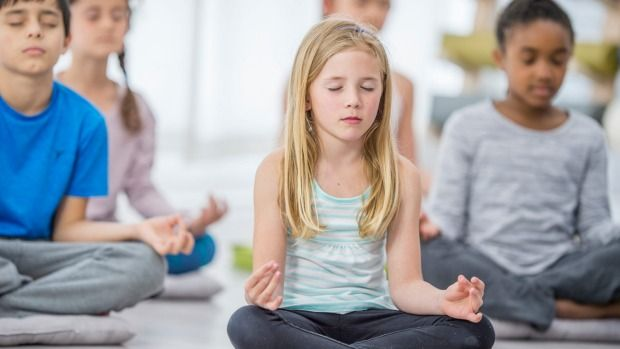
Mindfulness is important because it helps people develop greater awareness of their thoughts, emotions, and behaviors. Many daily reactions happen automatically without conscious thinking, leading to unnecessary stress, anxiety, and poor decisions. Mindfulness interrupts this automatic pattern by encouraging thoughtful responses instead of impulsive reactions.
Regular mindfulness practices also improve emotional intelligence, allowing individuals to recognize difficult emotions without becoming overwhelmed. This skill enhances communication, relationships, work performance, and overall life satisfaction. As people become more mindful, they often notice increased patience, better concentration, improved sleep, and a stronger sense of inner peace. These benefits make mindfulness one of the most valuable habits for maintaining long-term mental and emotional well-being.
Detailed Step-by-Step Guide
Step 1: Find a Quiet Space
Choose a peaceful location where you are unlikely to be interrupted. Silence is helpful but not essential. The goal is simply to minimize distractions while you begin practicing mindfulness.
Step 2: Sit Comfortably
Sit in a chair or on the floor with your back naturally straight. Relax your shoulders and place your hands comfortably on your lap. Avoid forcing a perfect posture because comfort helps maintain focus.
Step 3: Focus on Your Breathing
Close your eyes if you feel comfortable. Pay attention to each inhale and exhale without trying to change your breathing pattern. Notice the sensation of air moving through your nose and chest.
Step 4: Observe Your Thoughts
Your mind will naturally wander. Instead of becoming frustrated, simply notice each thought and gently return your attention to your breathing. This process strengthens your ability to stay present.
Step 5: Scan Your Body
Slowly bring awareness to different parts of your body, beginning with your feet and moving upward. Notice areas of tension, relaxation, warmth, or discomfort without trying to change them.
Step 6: Practice Mindful Observation
Choose an object such as a flower, cup, or tree. Observe its colors, textures, shapes, and details carefully. This exercise trains your brain to notice the present moment more deeply.
Step 7: Practice Mindful Walking
Walk slowly while paying attention to every movement of your feet touching the ground. Notice your balance, breathing, surroundings, and the sounds around you.
Step 8: Eat Mindfully
During one meal each day, avoid using your phone or watching television. Pay attention to the smell, taste, texture, and appearance of your food while chewing slowly.
Step 9: Practice Gratitude
Spend a few minutes every evening thinking about three things you appreciate. Gratitude naturally supports mindfulness by shifting attention toward positive experiences.
Step 10: Make it a Daily Habit
Consistency matters more than duration. Begin with five minutes daily and gradually increase your practice as it becomes part of your routine.
Benefits of Mindfulness Practices
- Reduces stress and anxiety levels.
- Improves concentration and mental clarity.
- Enhances emotional control.
- Increases self-awareness.
- Promotes better sleep quality.
- Strengthens memory and learning ability.
- Supports healthier relationships.
- Lowers emotional reactivity.
- Encourages positive thinking.
- Improves workplace productivity.
- Helps manage daily challenges calmly.
- Boosts overall happiness and life satisfaction.
Disadvantages / Risks
- Results may take time to appear.
- Beginners may become frustrated by wandering thoughts.
- Deep emotional experiences may surface during practice.
- Inconsistent practice limits long-term benefits.
- Some people expect immediate life-changing results.
- Practicing in noisy environments may reduce concentration.
- Extended meditation without guidance may feel overwhelming for some beginners.
- Mindfulness should not replace professional treatment for serious mental health conditions.
Common Mistakes to Avoid
Many beginners believe mindfulness requires clearing the mind completely. In reality, thoughts will naturally appear, and the goal is simply to notice them without judgment. Trying too hard to stop thinking often creates more frustration than progress.
Another common mistake is expecting instant results after only a few sessions. Mindfulness develops gradually through consistent daily practice. Skipping practice frequently, judging yourself harshly, multitasking during mindfulness exercises, or comparing your progress with others can also slow improvement. Staying patient and maintaining realistic expectations leads to much better long-term success.
FAQs
1. What is the best time to practice mindfulness?
Morning is often considered the best time because the mind is relatively fresh and distractions are fewer. However, the ideal time is whenever you can practice consistently without interruption.
2. How long should beginners practice mindfulness?
Beginners can start with five to ten minutes each day. As comfort and concentration improve, sessions can gradually increase to twenty or thirty minutes.
3. Can mindfulness reduce stress?
Yes. Mindfulness helps reduce stress by encouraging awareness of thoughts and emotions without reacting impulsively. Regular practice improves emotional regulation and promotes relaxation.
4. Is mindfulness the same as meditation?
Meditation is one method of practicing mindfulness, but mindfulness also includes everyday activities such as mindful eating, walking, listening, and breathing with full attention.
5. Can children practice mindfulness?
Yes. Children can benefit from simple mindfulness exercises such as breathing techniques, gratitude activities, and mindful observation. These practices often improve focus and emotional control.
6. Do I need special equipment?
No. Mindfulness requires no special equipment. A comfortable place to sit and a few quiet minutes are enough to begin practicing effectively.
Expert Tips & Bonus Points
Begin each day with one minute of mindful breathing before checking your phone or email. This simple habit creates a calm foundation for the rest of the day and reduces mental overload.
Use daily activities as mindfulness reminders. Washing dishes, drinking tea, brushing your teeth, or walking outside can all become opportunities to practice present-moment awareness. Keeping a mindfulness journal, setting gentle reminders, practicing gratitude regularly, and avoiding perfectionism will help you build a lasting mindfulness routine. Remember that steady progress through consistent practice is far more valuable than occasional long meditation sessions.
Conclusion
Mindfulness practices offer a simple yet powerful approach to improving mental, emotional, and physical well-being. By learning to pay attention to the present moment without judgment, you develop greater self-awareness, emotional balance, and resilience in daily life. Unlike many wellness trends that require expensive resources or complex techniques, mindfulness can be practiced anywhere with only a few minutes of focused attention each day.
As you continue practicing, you will likely notice improvements in concentration, stress management, relationships, and overall happiness. The key is consistency rather than perfection. Every mindful breath, thoughtful observation, or moment of gratitude strengthens your ability to respond calmly to life’s challenges. Even small daily efforts can create meaningful long-term changes in your mindset and lifestyle.
Whether your goal is to reduce anxiety, improve focus, sleep better, or simply enjoy everyday experiences more deeply, mindfulness provides practical tools that fit naturally into any routine. Start with short sessions, remain patient with your progress, and gradually expand your practice over time. By making mindfulness a regular habit, you invest in a healthier mind, a calmer outlook, and a more balanced, fulfilling life.