

Introduction
Travel is one of the most rewarding experiences in life. It allows people to discover new places, learn about different cultures, meet interesting people, and create unforgettable memories. Whether you are planning your first vacation or preparing for a business trip, proper planning can make your journey enjoyable and stress-free. Many beginners feel nervous before traveling because they are unsure about what to pack, how to prepare, or what to expect. Fortunately, following the right travel tips can eliminate unnecessary stress and help you enjoy every moment of your adventure.
Traveling successfully is not only about reaching your destination. It also involves careful preparation, smart budgeting, staying organized, and making safe decisions throughout your trip. Simple habits like keeping copies of important documents, packing efficiently, and researching your destination can save you from many common travel problems. With a little planning, even first-time travelers can feel confident and relaxed.
This comprehensive guide covers everything beginners need to know before traveling. From understanding the basics of travel planning to learning practical strategies for saving money and staying safe, this article provides valuable information that will help you become a smarter traveler. Whether your destination is nearby or across the world, these travel tips will prepare you for an enjoyable and memorable journey.
What is Travel Tips?
Travel tips are practical pieces of advice that help travelers plan, organize, and enjoy their trips safely and efficiently. They include recommendations about packing, transportation, accommodation, budgeting, health precautions, communication, and local customs. These suggestions are based on real travel experiences and are designed to make traveling easier for everyone.
For beginners, travel tips serve as a roadmap that reduces confusion and helps avoid common mistakes. They provide guidance before, during, and after a trip, ensuring that travelers stay prepared for unexpected situations. Following useful travel tips increases confidence and allows people to focus on enjoying their adventures rather than worrying about avoidable problems.
Why is Travel Tips Important?
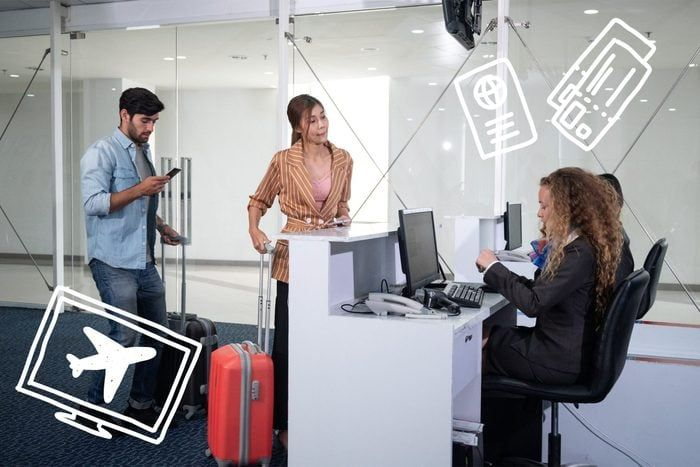
Travel tips play an essential role in creating successful travel experiences. Without proper preparation, travelers may face unnecessary expenses, delays, lost luggage, or safety concerns. Good planning allows you to handle these situations calmly and confidently while making the most of your journey.
Travel tips also help travelers save time and money. Learning how to book flights early, compare hotel prices, pack wisely, and understand local transportation systems can significantly reduce travel costs. Additionally, understanding local customs and cultural etiquette helps travelers build positive relationships with local communities and enjoy richer travel experiences.
Step-by-Step Guide to Traveling Successfully
Research Your Destination
Before traveling, gather information about your destination. Learn about the weather, local language, transportation options, currency, emergency numbers, and cultural customs. Reading travel blogs and official tourism websites helps you understand what to expect.
Set a Realistic Budget
Create a travel budget that includes transportation, accommodation, meals, sightseeing, shopping, and emergency expenses. Keeping a small emergency fund ensures you are prepared for unexpected situations.
Book Flights and Accommodation Early
Booking flights and hotels several weeks or months in advance often results in lower prices and more choices. Compare different booking platforms before making reservations.
Organize Important Documents
Prepare your passport, identification card, visa (if required), travel insurance, hotel confirmations, and flight tickets. Keep digital copies stored securely on your phone and cloud storage.
Pack Smart
Pack only essential clothing and travel items. Choose clothes suitable for the destination’s weather. Include toiletries, medications, chargers, power banks, comfortable shoes, and important documents.
Arrive Early
Reach the airport, railway station, or bus terminal well before departure. Early arrival reduces stress and provides enough time for security checks and boarding procedures.
Stay Connected
Purchase a local SIM card or activate international roaming if necessary. Download offline maps and translation apps to help navigate unfamiliar places.
Respect Local Culture
Learn basic greetings and understand local customs. Dress appropriately where required and always respect cultural traditions and religious practices.
Keep Your Belongings Safe
Use anti-theft bags, avoid displaying expensive items publicly, and keep valuables in secure locations. Stay alert in crowded areas to prevent theft.
Enjoy the Experience
Take photographs, meet local people, try regional foods, and participate in cultural activities. Traveling becomes more meaningful when you remain open to new experiences.
Benefits of Travel Tips
Travel tips provide many valuable advantages, including:
- Reduce travel stress and anxiety.
- Improve trip planning and organization.
- Help save money on transportation and accommodation.
- Increase personal safety while traveling.
- Prevent common travel mistakes.
- Improve time management.
- Encourage responsible and respectful tourism.
- Make packing more efficient.
- Help travelers handle emergencies calmly.
- Create more enjoyable and memorable travel experiences.
Disadvantages / Risks
Although travel tips are useful, travelers should remain flexible because every journey is different.
- Not every travel tip applies to every destination.
- Travel conditions can change unexpectedly.
- Following outdated advice may cause inconvenience.
- Excessive planning may reduce spontaneity.
- Online travel advice may sometimes be inaccurate.
- Weather changes can affect travel plans despite preparation.
- Budget estimates may vary due to inflation or seasonal pricing.
Common Mistakes to Avoid
Many beginners make simple mistakes that can negatively affect their travel experience. One common mistake is waiting until the last minute to book flights and hotels. Late bookings often result in higher prices and limited options.
Another frequent mistake is overpacking. Carrying too much luggage makes transportation difficult and may lead to additional airline baggage fees. Travelers should pack only essential items.
Ignoring travel insurance is another major error. Medical emergencies or trip cancellations can become expensive without proper coverage.
Many travelers also forget to inform their bank before international travel, causing payment cards to be blocked for security reasons. It is equally important to keep emergency contacts and copies of important documents available at all times.
Finally, some travelers ignore local customs and laws. Respecting local traditions not only creates positive interactions but also helps avoid misunderstandings and legal issues.
Frequently Asked Questions (FAQs)
1. What should beginners pack for their first trip?
Beginners should pack comfortable clothing, toiletries, medications, travel documents, chargers, power banks, identification, cash, payment cards, and weather-appropriate accessories. Packing light is usually the best approach.
2. How can I save money while traveling?
Book flights early, compare hotel prices, use public transportation, eat at local restaurants, travel during off-peak seasons, and avoid unnecessary shopping expenses.
3. Is travel insurance necessary?
Yes. Travel insurance provides financial protection against medical emergencies, trip cancellations, lost baggage, and unexpected travel disruptions.
4. How early should I arrive at the airport?
For domestic flights, arrive at least two hours before departure. For international flights, arriving three hours early is generally recommended.
5. What should I do if I lose my passport?
Immediately report the loss to local police and contact your country’s embassy or consulate. Keep digital copies of your passport to speed up the replacement process.
6. How do I stay safe while traveling alone?
Share your itinerary with family members, avoid isolated places at night, keep emergency contacts available, stay aware of your surroundings, and trust your instincts when situations seem unsafe.
Expert Tips & Bonus Points
Experienced travelers recommend creating a checklist before every trip to avoid forgetting essential items. Using packing cubes helps organize luggage efficiently and saves space. Carrying a reusable water bottle reduces costs and supports environmental sustainability. Downloading offline maps ensures navigation even without internet access.
Always carry small amounts of local currency for places that do not accept cards. Learn a few basic phrases in the local language because simple greetings often create friendly interactions. Keep backup payment methods in separate locations to reduce financial risk if one card is lost. Finally, remain flexible because unexpected changes often become the most memorable parts of a journey.
Conclusion
Traveling is much more than visiting new destinations; it is an opportunity to grow, learn, and create lifelong memories. While every journey presents unique experiences, proper planning greatly increases the chances of having a safe, enjoyable, and stress-free trip. Beginners who prepare carefully, pack wisely, manage their budget, and respect local cultures are far more likely to enjoy successful adventures.
The travel tips shared in this guide provide a strong foundation for anyone planning their first trip. From researching destinations and organizing documents to staying safe and avoiding common mistakes, every recommendation contributes to a smoother travel experience. Although unexpected situations may arise, being prepared helps travelers respond confidently instead of feeling overwhelmed.
Remember that no trip is ever perfect, and minor challenges are a natural part of exploring new places. Treat every journey as a learning experience that builds confidence and broadens your understanding of the world. As you gain more travel experience, you will develop your own strategies and preferences that make future trips even more enjoyable. By following these practical travel tips, you can travel smarter, save money, stay safe, and make every adventure a memorable success.