
Fashion is more than clothing. It is a way of expressing personality, confidence, culture, and creativity. Every year, new fashion trends emerge, influencing the way people dress, shop, and present themselves. From casual streetwear to elegant formal outfits, fashion trends continue to evolve with changing lifestyles, technology, and cultural influences.
For beginners, understanding fashion trends may seem confusing because styles change frequently. However, following fashion trends does not mean buying expensive clothes or replacing your entire wardrobe every season. Instead, it means learning how to identify popular styles, combine clothing pieces, and choose outfits that reflect your personality while remaining comfortable and practical.
Fashion trends are influenced by designers, celebrities, social media, seasonal changes, cultural movements, and consumer preferences. Today, anyone can stay updated with the latest styles through fashion blogs, magazines, online stores, and social platforms. At the same time, personal style has become equally important, encouraging people to adapt trends instead of copying them completely.
This guide explains everything beginners need to know about fashion trends. You’ll learn what fashion trends are, why they matter, how to follow them wisely, their advantages and disadvantages, common mistakes to avoid, frequently asked questions, and practical expert tips to build a stylish wardrobe with confidence.
What is Fashion Trends?
Fashion trends refer to the popular clothing styles, colors, accessories, fabrics, and designs that become widely accepted during a particular period. These trends may last for a few months, several years, or even return after decades as vintage fashion makes a comeback.
Fashion trends are shaped by many factors, including fashion designers, runway shows, celebrities, influencers, music, movies, social media, and cultural events. Seasonal collections also play an important role, introducing fresh styles every spring, summer, autumn, and winter.
Although trends constantly change, they serve as inspiration rather than strict rules. Modern fashion encourages individuals to mix current trends with timeless wardrobe essentials to create a unique personal style. The best fashion choices are those that make you feel comfortable, confident, and authentic.
Why is Fashion Trends Important?
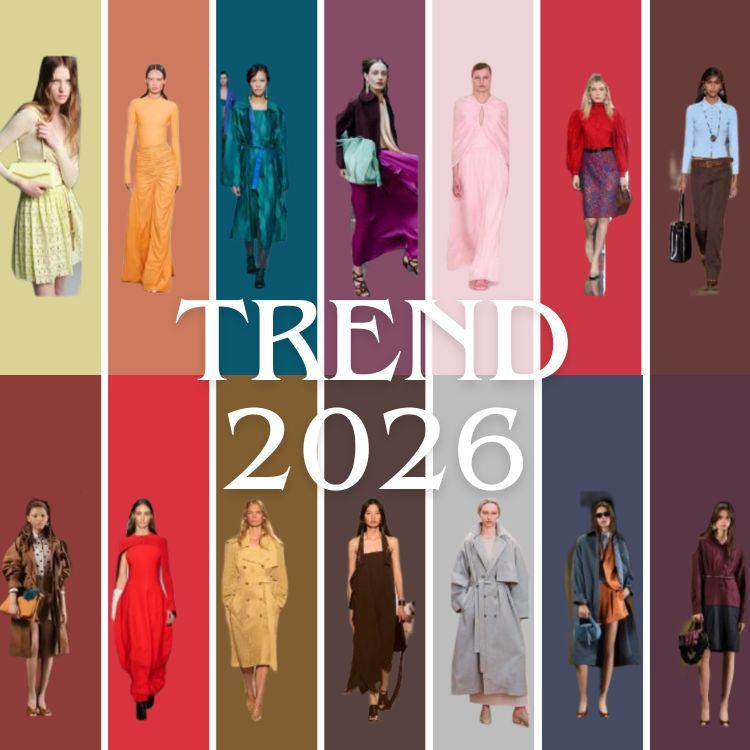
Fashion trends help people express their personalities without saying a word. Clothing reflects mood, confidence, profession, culture, and creativity. Staying aware of current styles can improve self-image and make dressing easier for different occasions.
Fashion also drives innovation within the clothing industry. Designers introduce sustainable fabrics, improved materials, and creative designs that influence global markets. Businesses benefit from changing consumer preferences while shoppers enjoy greater variety and improved quality.
Understanding fashion trends helps individuals make smarter shopping decisions. Instead of buying random items, people can invest in versatile clothing that matches current styles while remaining wearable for years. This balance between trend awareness and personal taste creates a practical and stylish wardrobe.
Step-by-Step Guide to Following Fashion Trends
Step 1: Understand Your Personal Style
Before following any trend, identify what suits your body shape, lifestyle, personality, and comfort level. Fashion should enhance your confidence rather than make you uncomfortable.
Create a list of outfits you enjoy wearing. Notice your favorite colors, fits, and fabrics. This becomes the foundation of your personal style.
Step 2: Learn About Current Fashion Trends
Read fashion magazines, follow style blogs, watch runway collections, and explore social media for inspiration.
Pay attention to recurring colors, silhouettes, accessories, and fabrics instead of focusing only on viral outfits.
Step 3: Build a Strong Basic Wardrobe
Every stylish wardrobe starts with timeless essentials.
Include neutral T-shirts, quality jeans, plain shirts, jackets, blazers, comfortable sneakers, classic shoes, and simple accessories.
These basics can easily be combined with trendy pieces.
Step 4: Choose Trends That Match Your Lifestyle
Not every trend is suitable for everyone.
Select styles that fit your daily routine, workplace, climate, and personality rather than buying everything that’s popular.
Step 5: Invest in Quality Instead of Quantity
Buying fewer high-quality pieces often provides better value than purchasing many cheap items.
Quality clothing lasts longer, fits better, and maintains its appearance after repeated washing.
Step 6: Experiment with Colors
Fashion trends often introduce new color combinations.
Start by adding one trendy color through accessories or shirts before experimenting with complete outfits.
Step 7: Use Accessories Wisely
Accessories can completely transform a simple outfit.
Watches, belts, handbags, scarves, sunglasses, jewelry, and hats help create a polished appearance without requiring a new wardrobe.
Step 8: Prioritize Proper Fit
Even the most fashionable clothing looks unattractive if it doesn’t fit properly.
Choose clothing that complements your body shape instead of simply following oversized or slim-fit trends.
Step 9: Dress for the Season
Fashion changes with weather conditions.
Light fabrics work well during summer, while layered clothing, jackets, sweaters, and boots become essential during colder seasons.
Step 10: Develop Confidence
The most important fashion trend is confidence.
Wear outfits proudly, maintain good posture, and smile. Confidence often makes simple clothing appear more stylish than expensive designer outfits.
Benefits of Fashion Trends
- Improves personal confidence.
- Enhances self-expression.
- Encourages creativity.
- Keeps your wardrobe fresh.
- Introduces new styling ideas.
- Helps create professional appearances.
- Supports fashion innovation.
- Offers seasonal outfit inspiration.
- Promotes better grooming habits.
- Helps discover your personal style.
- Makes shopping more organized.
- Encourages sustainable wardrobe planning when followed wisely.
Disadvantages and Risks
- Trends change quickly.
- Following every trend becomes expensive.
- Fast fashion may reduce clothing quality.
- Social pressure may influence unnecessary purchases.
- Some styles may not suit every body type.
- Over-shopping leads to wardrobe clutter.
- Constant comparison with influencers may reduce confidence.
- Poor-quality trendy clothing often wears out quickly.
- Fashion addiction can impact budgeting.
- Blindly copying trends reduces individuality.
Common Mistakes to Avoid
One of the biggest mistakes beginners make is copying every trend without considering personal style. Not every popular outfit will suit your body shape, personality, or lifestyle. Fashion should complement who you are rather than hide your individuality.
Another common mistake is ignoring proper fit. Expensive clothing loses its appeal if it is too loose or too tight. Always prioritize fit before brand names or price tags.
Many people also spend too much money on temporary trends instead of investing in timeless wardrobe essentials. A balanced wardrobe combines classic basics with a few trendy pieces.
Ignoring color coordination is another frequent error. Learning basic color combinations can significantly improve your appearance without purchasing additional clothing.
Finally, many beginners overlook accessories, grooming, and footwear. A clean hairstyle, polished shoes, and simple accessories often make a greater impression than expensive clothing alone.
FAQs
1. What are fashion trends?
Fashion trends are popular clothing styles, colors, accessories, and designs that become widely accepted during a specific period.
2. How often do fashion trends change?
Fashion trends usually change every season, although some styles remain popular for several years while others return after decades.
3. Do I need expensive clothes to follow fashion trends?
No. You can stay fashionable by combining affordable basics with a few trendy pieces. Style depends more on creativity and confidence than price.
4. How can beginners improve their fashion sense?
Start by understanding your body type, building a basic wardrobe, learning color combinations, following fashion inspiration, and experimenting gradually.
5. Should I follow every fashion trend?
No. Choose trends that suit your personality, lifestyle, and comfort level instead of following everything that becomes popular.
6. What are wardrobe essentials?
Wardrobe essentials include plain T-shirts, jeans, white shirts, jackets, sneakers, black shoes, neutral trousers, and versatile accessories that never go out of style.
7. Why is personal style important?
Personal style reflects your individuality and makes fashion more authentic. Instead of copying others, adapting trends to your preferences creates a unique appearance.
8. Can fashion trends be sustainable?
Yes. Buying quality clothing, choosing timeless designs, recycling outfits, and shopping responsibly make fashion more environmentally friendly.
Expert Tips & Bonus Points
Fashion experts recommend building a wardrobe slowly instead of replacing everything at once. Focus on quality basics before purchasing trendy clothing. Neutral colors such as black, white, navy, gray, and beige are easier to mix with seasonal styles.
Always dress according to the occasion while maintaining comfort. Pay attention to fabric quality, clothing fit, and overall grooming because these details significantly improve your appearance. Taking care of your clothes through proper washing and storage also helps them last longer.
Create outfit combinations before shopping so every new purchase matches existing clothing. Avoid impulse buying and invest in versatile pieces that can be worn throughout multiple seasons.
Confidence remains the strongest fashion accessory. A positive attitude, good posture, and genuine smile often leave a stronger impression than wearing the latest designer outfit.
Conclusion
Fashion trends continue to shape the way people express themselves through clothing, accessories, and personal style. While trends evolve every season, the purpose of fashion remains the same—to help individuals feel confident, comfortable, and authentic. Understanding fashion trends allows beginners to make informed choices without feeling pressured to follow every new style.
A successful wardrobe combines timeless essentials with carefully selected trendy pieces. Instead of focusing on expensive brands, prioritize quality, proper fit, versatility, and comfort. Learning basic styling principles, experimenting with colors, and choosing outfits suitable for your lifestyle will help you develop a unique and lasting fashion sense.
Fashion should always reflect your personality rather than replace it. By staying informed, shopping wisely, avoiding common mistakes, and embracing your own preferences, you can build a wardrobe that remains stylish regardless of changing trends. Remember that confidence is the most valuable element of fashion, and wearing clothing that makes you feel comfortable and authentic will always be in style.