
Choosing the right outfit can make a big difference in how you look and feel. Whether you’re getting ready for work, school, a casual outing, a formal event, or even a quick shopping trip, wearing the right clothes helps boost your confidence and leaves a positive impression. Fashion is not only about following trends but also about expressing your personality through clothing. The good news is that you don’t need an expensive wardrobe or designer brands to look stylish. With the right outfit ideas and a few smart styling techniques, anyone can create attractive looks for different occasions.
Many beginners feel confused about matching colors, selecting accessories, or deciding what to wear. This often leads to buying clothes that remain unused or creating outfits that don’t feel comfortable. Learning the basics of styling can save both time and money while helping you build a wardrobe that works for your lifestyle.
This guide covers everything you need to know about outfit ideas, from understanding the basics to creating complete looks for different occasions. You’ll also learn practical styling tips, common mistakes to avoid, benefits, disadvantages, expert advice, and answers to frequently asked questions. By the end of this guide, you’ll have the confidence to dress better every day without making fashion feel complicated.
What is Outfit Ideas?
Outfit ideas refer to creative combinations of clothing, shoes, accessories, and personal styling choices that come together to create a complete look. Instead of randomly picking clothes, outfit ideas focus on mixing different wardrobe pieces in a balanced and fashionable way. These combinations can be designed for casual wear, business meetings, parties, travel, seasonal changes, or special celebrations.
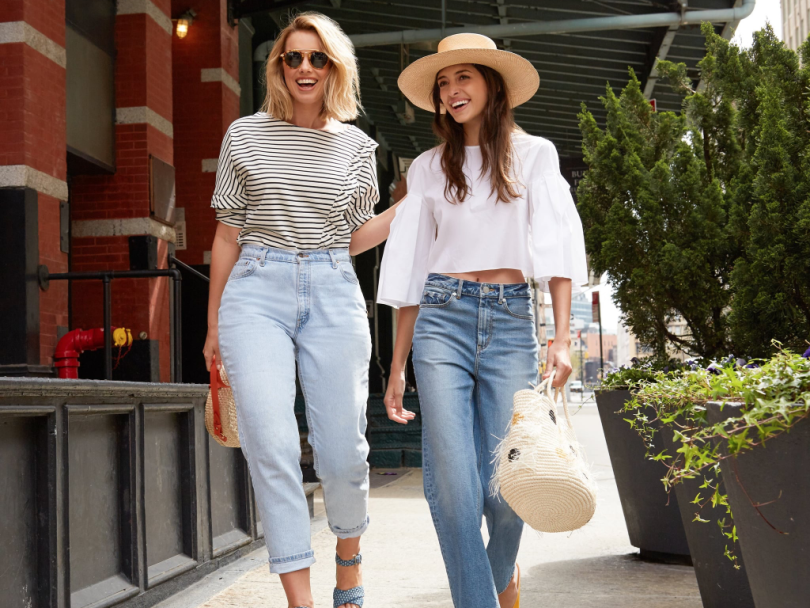
For beginners, outfit ideas provide inspiration and direction when choosing what to wear. Rather than buying new clothes constantly, you learn how to combine existing pieces in different ways. A simple white shirt, blue jeans, sneakers, and a jacket can create multiple stylish outfits depending on how they are styled. Understanding outfit ideas helps you build a versatile wardrobe that works for many situations while reflecting your personal style.
Why is Outfit Ideas Important?
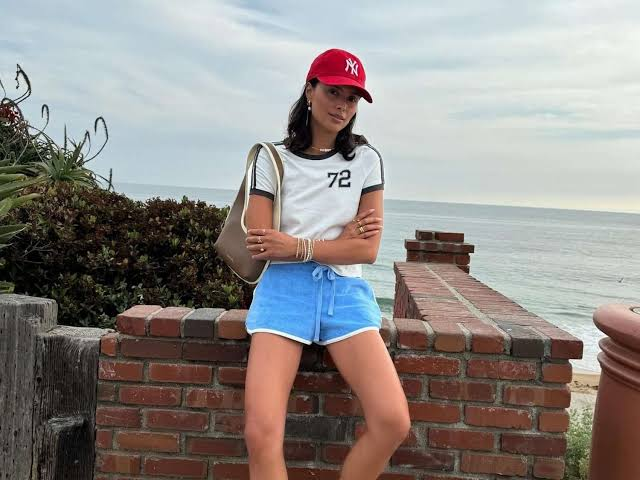
Having good outfit ideas makes daily dressing easier and more enjoyable. Instead of wasting time deciding what to wear every morning, you already have reliable combinations that suit different occasions. This reduces stress and helps you feel more organized throughout the day.
Outfit planning also improves confidence because wearing clothes that fit well and match properly creates a polished appearance. Whether attending interviews, meeting friends, or participating in social events, the right outfit helps make a positive impression. Additionally, understanding outfit ideas saves money since you learn to maximize your wardrobe rather than constantly purchasing new clothing.
Detailed Step-by-Step Guide
Step 1: Understand Your Personal Style
Start by identifying the clothing styles you naturally enjoy. Some people prefer casual fashion, while others like elegant, sporty, minimalist, or streetwear styles. Browse fashion inspiration and notice which outfits catch your attention. Your personal style should reflect your lifestyle and comfort.
Step 2: Build a Basic Wardrobe
Every beginner should own essential clothing pieces that work with almost everything. These include plain T-shirts, jeans, chinos, neutral shirts, jackets, sweaters, sneakers, dress shoes, and comfortable trousers. Neutral colors like black, white, navy, gray, and beige are easier to mix and match.
Step 3: Choose the Right Fit
Even expensive clothing looks unattractive if it doesn’t fit properly. Clothes should neither be too tight nor too loose. Well-fitted clothing improves your overall appearance and creates a cleaner silhouette.
Step 4: Learn Color Matching
Understanding color coordination is one of the easiest ways to improve your outfits. Neutral colors pair well with almost everything, while one bold color can become the focal point of your outfit. Avoid combining too many bright colors in one look.
Step 5: Dress According to the Occasion
Different occasions require different outfits. Casual clothing works for everyday activities, while formal clothing suits business meetings and weddings. Always consider the event before choosing your clothes.
Step 6: Add Layers
Layering creates depth and makes simple outfits look more interesting. Jackets, cardigans, hoodies, overshirts, and blazers allow you to create stylish combinations throughout the year.
Step 7: Select Suitable Footwear
Shoes complete every outfit. Clean sneakers work well for casual outfits, loafers suit smart casual occasions, while dress shoes complement formal clothing. Keep your footwear clean for the best appearance.
Step 8: Use Accessories Wisely
Accessories should enhance your outfit without overwhelming it. Watches, belts, sunglasses, hats, scarves, and simple jewelry can add personality while maintaining balance.
Step 9: Consider Seasonal Clothing
Summer outfits should focus on lightweight fabrics such as cotton and linen, while winter requires jackets, sweaters, boots, and layered clothing. Seasonal dressing keeps you comfortable while looking fashionable.
Step 10: Build Multiple Outfit Combinations
Instead of buying many clothes, learn to create different combinations using the same wardrobe pieces. One blazer can work with jeans, chinos, dress pants, or even layered over a T-shirt.
Step 11: Prioritize Comfort
Fashion should never sacrifice comfort. Choose breathable fabrics, comfortable shoes, and clothing that allows easy movement. Comfortable people naturally appear more confident.
Step 12: Keep Improving
Fashion evolves over time. Continue learning by observing stylish people, experimenting with different combinations, and updating your wardrobe gradually rather than replacing everything at once.
Benefits of Outfit Ideas
Outfit planning offers numerous advantages for beginners and experienced fashion lovers alike.
- Saves time when getting dressed.
- Reduces unnecessary shopping.
- Increases self-confidence.
- Improves personal appearance.
- Creates a professional image.
- Helps maximize wardrobe usage.
- Encourages creativity.
- Makes packing for travel easier.
- Supports better budgeting.
- Builds a consistent personal style.
- Reduces fashion-related stress.
- Makes shopping more intentional.
Disadvantages / Risks
Although outfit planning has many benefits, there are a few possible drawbacks.
- Following trends can become expensive.
- Fashion pressure may affect confidence.
- Buying unnecessary accessories increases spending.
- Poor-quality clothing wears out quickly.
- Trendy outfits may become outdated.
- Overplanning can reduce creativity.
- Copying others may hide personal style.
- Ignoring comfort for fashion can cause discomfort.
- Seasonal wardrobe updates may require additional investment.
Common Mistakes to Avoid
One of the biggest mistakes beginners make is buying trendy clothes without considering versatility. Instead, invest in timeless wardrobe basics that can be mixed and matched easily. Another common mistake is ignoring proper fit. Clothing that fits correctly always looks more stylish than expensive clothes that fit poorly.
Many people also wear unsuitable outfits for specific occasions, overlook the importance of clean shoes, or overuse accessories. Wearing too many patterns, choosing colors that clash, and neglecting grooming can reduce the overall impact of even the best outfit. Planning outfits ahead of time and focusing on quality rather than quantity helps avoid these mistakes while creating a more polished appearance.
FAQs
1. How can beginners improve their outfits?
Beginners should start with basic wardrobe essentials, choose neutral colors, ensure proper fit, and gradually learn color coordination. Simple combinations often look better than overly complicated outfits.
2. How many outfits should I own?
There is no fixed number. A small wardrobe containing versatile clothing pieces can create dozens of different outfit combinations through smart mixing and matching.
3. What colors match everything?
Black, white, gray, navy, and beige are considered neutral colors and pair well with most clothing items, making them ideal for beginners.
4. Are expensive clothes necessary for looking stylish?
No. Style depends more on proper fit, cleanliness, coordination, and confidence than on expensive brands. Affordable clothing can look excellent when styled properly.
5. How do I choose outfits for different seasons?
Wear lightweight, breathable fabrics during warm weather and use layering techniques during colder months. Seasonal clothing should balance comfort with style.
6. How important are accessories?
Accessories complete an outfit by adding personality. However, they should remain balanced and not overpower the clothing. A simple watch, belt, or sunglasses is often enough.
Expert Tips & Bonus Points
Fashion experts recommend building a capsule wardrobe filled with versatile clothing that works together effortlessly. This approach reduces clutter while increasing outfit possibilities. Before buying new clothing, always ask yourself whether it matches at least three existing items in your wardrobe.
Keep your clothes clean, wrinkle-free, and properly stored. Good grooming, neat hairstyles, and clean shoes often have a greater impact than expensive clothing. Invest in quality basics before purchasing trendy pieces. Learn your body shape, choose clothes that flatter your proportions, and don’t hesitate to tailor garments for a better fit. Finally, remember that confidence is the best accessory. Wearing clothes that make you feel comfortable naturally improves your overall appearance.
Conclusion
Creating stylish outfits does not require a huge budget or expert-level fashion knowledge. By understanding your personal style, investing in versatile wardrobe basics, choosing proper fits, coordinating colors, and dressing appropriately for each occasion, you can build attractive outfits with ease. The key is to focus on timeless pieces that work together rather than constantly chasing every new fashion trend.
As your confidence grows, you can experiment with different colors, textures, accessories, and layering techniques to develop a unique personal style. Fashion is a journey of self-expression, and every outfit tells a story about who you are. Small improvements, such as wearing clean shoes, selecting well-fitted clothing, and planning outfits in advance, can dramatically improve your overall appearance.
Remember that style is not about perfection. It is about feeling comfortable, expressing yourself, and dressing in a way that suits your lifestyle. By applying the ideas and tips shared in this guide, you can create stylish outfits for every occasion while making smarter wardrobe choices that save both time and money. Start with the basics, stay confident, and enjoy discovering your own fashion identity.