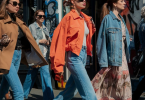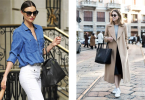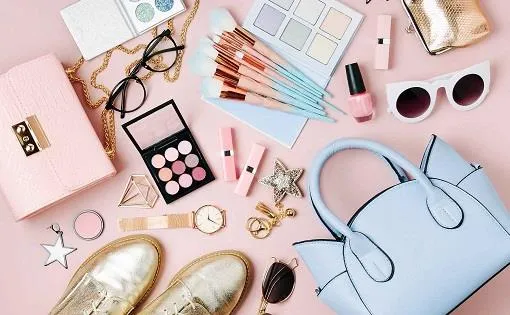

Fashion is more than just clothing. The right accessories can completely transform an outfit, express your personality, and help you feel more confident. Whether you are dressing for work, a casual day out, a wedding, or a formal event, accessories play a vital role in completing your overall appearance. Even a simple outfit can look elegant and stylish when paired with carefully selected accessories.
For beginners, choosing fashion accessories may seem confusing because there are so many options available. Watches, belts, jewelry, scarves, hats, handbags, sunglasses, and shoes all serve different purposes and create different impressions. Understanding how to combine these items with your clothing can help you develop your own personal style without spending a fortune. Fashion trends may change every season, but the principles of choosing quality accessories, matching colors, and balancing your overall look remain timeless. This guide explains everything you need to know about fashion accessories in simple language. By the end, you will understand how to select the right pieces, avoid common styling mistakes, and confidently use accessories to enhance your wardrobe for every occasion.
What is Fashion Accessories?
Fashion accessories are additional items that complement clothing and improve a person’s overall appearance. They are not the main outfit but are used to add style, personality, elegance, and functionality. Accessories can be decorative, practical, or both. They help create a complete and polished look while allowing individuals to express their unique fashion preferences.
Common fashion accessories include watches, necklaces, earrings, bracelets, rings, handbags, belts, scarves, hats, sunglasses, wallets, shoes, hair accessories, and even ties. Some accessories are designed for everyday use, while others are meant for special occasions. Choosing the right accessory depends on your outfit, the event, your comfort level, and your personal taste. Learning how to use accessories effectively is one of the easiest ways to improve your fashion sense without constantly buying new clothes.
Why is Fashion Accessories Important?
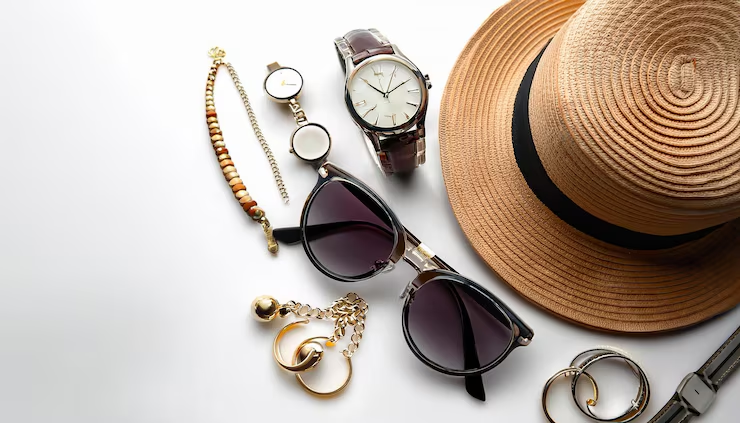
Fashion accessories are important because they add character and individuality to your appearance. Two people wearing the same outfit can look completely different simply because of the accessories they choose. A carefully selected watch, elegant necklace, or stylish handbag can instantly upgrade a basic outfit into something sophisticated and memorable.
Accessories also provide practical benefits beyond appearance. Sunglasses protect your eyes, hats provide shade, belts improve clothing fit, and handbags help carry daily essentials. They allow you to adapt your wardrobe for different seasons, occasions, and trends without replacing your entire collection of clothing. Investing in versatile accessories is often more affordable than buying new outfits regularly, making them a smart choice for beginners building their personal style.
Step-by-Step Guide to Choosing Fashion Accessories
Understand Your Personal Style
Before buying accessories, identify the type of style you enjoy. Some people prefer classic elegance, while others like casual, sporty, vintage, or modern fashion. Your accessories should match your overall personality and clothing preferences rather than simply following trends.
Start with Essential Accessories
Beginners should begin with versatile items that can match multiple outfits. A quality watch, neutral-colored belt, simple necklace, classic handbag, comfortable shoes, and stylish sunglasses provide excellent value because they work with many different clothing combinations.
Match Accessories with the Occasion
Always consider where you are going. Formal events require elegant and understated accessories, while casual outings allow more colorful and creative choices. Business meetings usually call for professional accessories that create a polished appearance without being distracting.
Choose the Right Colors
Color coordination is one of the most important styling principles. Neutral colors such as black, white, brown, gray, and beige pair easily with most outfits. Bright accessories can create attractive contrast but should be balanced carefully to avoid an overwhelming appearance.
Balance Your Outfit
Avoid wearing too many bold accessories at once. If your necklace is large and eye-catching, keep your earrings smaller. If your clothing features bold patterns, choose simple accessories. Balance creates a more elegant and fashionable appearance.
Consider Quality Over Quantity
Buying fewer high-quality accessories is often better than purchasing many inexpensive items. Durable materials last longer, maintain their appearance, and often provide better comfort. Quality accessories also remain fashionable for many years.
Select the Right Size
Accessory size should complement your body type and clothing. Oversized accessories can overwhelm smaller frames, while tiny accessories may not stand out on larger body types. Finding the right proportions creates harmony in your overall appearance.
Layer Accessories Carefully
Layering necklaces, bracelets, or rings has become a popular fashion trend. However, layering requires balance. Use similar colors, matching materials, and appropriate spacing to create an organized rather than cluttered appearance.
Maintain Your Accessories
Regular cleaning and proper storage help accessories remain beautiful for years. Store jewelry separately to prevent scratches, clean leather products with suitable conditioners, and keep sunglasses in protective cases when not in use.
Stay True to Your Personality
Fashion should reflect who you are rather than copying every trend. Choose accessories that make you feel comfortable and confident. Confidence is often the most attractive accessory anyone can wear.
Benefits of Fashion Accessories
- Improve overall appearance instantly.
- Express personal style and individuality.
- Make simple outfits look more fashionable.
- Increase confidence and self-expression.
- Add elegance without purchasing new clothes.
- Suitable for every age group.
- Available for every budget.
- Enhance professional appearance.
- Adapt outfits for different occasions.
- Protect against weather through hats, scarves, and sunglasses.
- Offer practical functions such as carrying essentials.
- Allow experimentation with changing fashion trends.
- Help create memorable first impressions.
- Increase wardrobe versatility.
- Often remain useful for many years.
Disadvantages / Risks
- Quality accessories may be expensive.
- Following trends constantly can become costly.
- Wearing too many accessories creates a cluttered appearance.
- Poor-quality materials may wear out quickly.
- Some jewelry may cause skin allergies.
- Counterfeit branded accessories are common.
- Fashion trends change rapidly.
- Accessories require proper maintenance and storage.
- Certain items may not match every outfit.
- Overspending on unnecessary accessories can affect your budget.
Common Mistakes to Avoid
One of the biggest mistakes beginners make is wearing too many accessories at once. Instead of improving your appearance, excessive accessories often create visual confusion. Focus on one or two statement pieces while keeping the remaining accessories simple and balanced.
Another common mistake is ignoring the occasion. Wearing flashy jewelry to a business meeting or extremely casual accessories to a formal wedding may appear inappropriate. Beginners should also avoid buying accessories solely because they are trendy. Instead, choose timeless pieces that match your personality and existing wardrobe. Poor color coordination, neglecting accessory maintenance, purchasing low-quality products, and forgetting comfort are additional mistakes that reduce both style and confidence.
Frequently Asked Questions
1. What are the most important fashion accessories for beginners?
Beginners should start with versatile essentials such as a quality watch, neutral belt, sunglasses, comfortable shoes, a simple necklace, and a practical handbag or wallet. These items match many outfits and remain useful for years.
2. How many accessories should I wear at once?
There is no fixed rule, but balance is essential. Usually, three to five carefully selected accessories create a polished appearance without making your outfit feel crowded or overwhelming.
3. Can accessories make inexpensive clothing look expensive?
Yes. High-quality accessories often elevate simple clothing by adding elegance and sophistication. A stylish watch, leather belt, or elegant handbag can significantly improve the overall impression of your outfit.
4. Should accessories always match each other?
They do not need to match perfectly, but they should complement one another. Similar colors, materials, or design styles create a harmonious appearance while allowing some creative variation.
5. How do I choose accessories for different seasons?
During summer, choose lightweight scarves, sunglasses, hats, and brighter colors. In winter, consider gloves, warm scarves, boots, and darker tones. Seasonal accessories improve both comfort and style.
6. Are expensive accessories always better?
Not necessarily. Many affordable accessories offer excellent quality and stylish designs. Focus on craftsmanship, durability, comfort, and versatility rather than price alone. Buying fewer quality items usually provides better long-term value than purchasing many inexpensive accessories.
Expert Tips & Bonus Points
Fashion experts recommend building a small collection of timeless accessories before experimenting with seasonal trends. Neutral colors such as black, brown, silver, gold, and white offer maximum flexibility because they pair well with most clothing. Investing in classic designs ensures your accessories remain fashionable even as trends evolve.
Another valuable tip is to organize your accessories properly so they remain clean and easy to find. Replace damaged items promptly because worn-out accessories can reduce the quality of your overall appearance. Finally, always dress for confidence rather than approval from others. Your personal comfort, individuality, and authenticity should guide every fashion decision you make.
Conclusion
Fashion accessories are much more than decorative additions to clothing. They are powerful styling tools that help express personality, improve confidence, and create polished, memorable appearances. Whether you prefer a classic, modern, casual, or elegant style, the right accessories can transform even the simplest outfit into something unique and attractive. Learning the basics of color coordination, balance, quality, and occasion-appropriate styling allows beginners to make smarter fashion choices while avoiding unnecessary spending.
Building a versatile accessory collection does not happen overnight. Start with timeless essentials that match multiple outfits, focus on quality instead of quantity, and gradually expand your collection as your confidence grows. Remember that fashion is personal, and there is no single definition of perfect style. Trends come and go, but confidence, simplicity, and thoughtful accessorizing never go out of fashion. By applying the tips, techniques, and advice shared in this guide, you can create stylish looks for every occasion while developing a wardrobe that reflects your personality. With patience and practice, fashion accessories will become one of the easiest and most enjoyable ways to enhance your appearance every day.