
Introduction
Home Decor Ideas.Your home is more than just a place to live. It is a reflection of your personality, lifestyle, and comfort. A well-decorated home creates a welcoming atmosphere, improves your mood, and makes everyday living more enjoyable.Home Decor Ideas Whether you own a house, rent an apartment, or simply want to refresh a single room, decorating your space does not have to be expensive or complicated.Home Decor Ideas With the right approach, anyone can transform an ordinary room into a stylish and functional living space.
Many beginners believe that home decoration requires professional designers or a large budget. In reality, thoughtful planning, creative ideas, and smart shopping can help you achieve impressive results without spending a fortune. From choosing the right color palette to arranging furniture and adding decorative accessories, every small decision contributes to the overall appearance of your home.
This comprehensive guide covers everything beginners need to know about home decor ideas. You will learn the basics of decorating, understand why home decor matters, discover practical step-by-step techniques, explore the advantages and challenges, avoid common decorating mistakes, and gain expert recommendations that will help you create a home you truly love. By following these simple yet effective ideas, you can design a comfortable, attractive, and functional space that reflects your unique style.
What is Home Decor?
Home decor refers to the process of enhancing the appearance, comfort, and functionality of a living space through furniture, colors, lighting, accessories, artwork, textiles, plants, and decorative elements. It involves selecting and arranging items that work together to create a visually appealing and practical environment.
Good home decor is not only about beauty. It also focuses on making each room comfortable, organized, and suitable for daily activities. Whether you prefer modern, traditional, minimalist, rustic, or contemporary styles, home decor allows you to personalize your surroundings according to your taste and lifestyle while improving the overall atmosphere of your home.
Why is Home Decor Important?
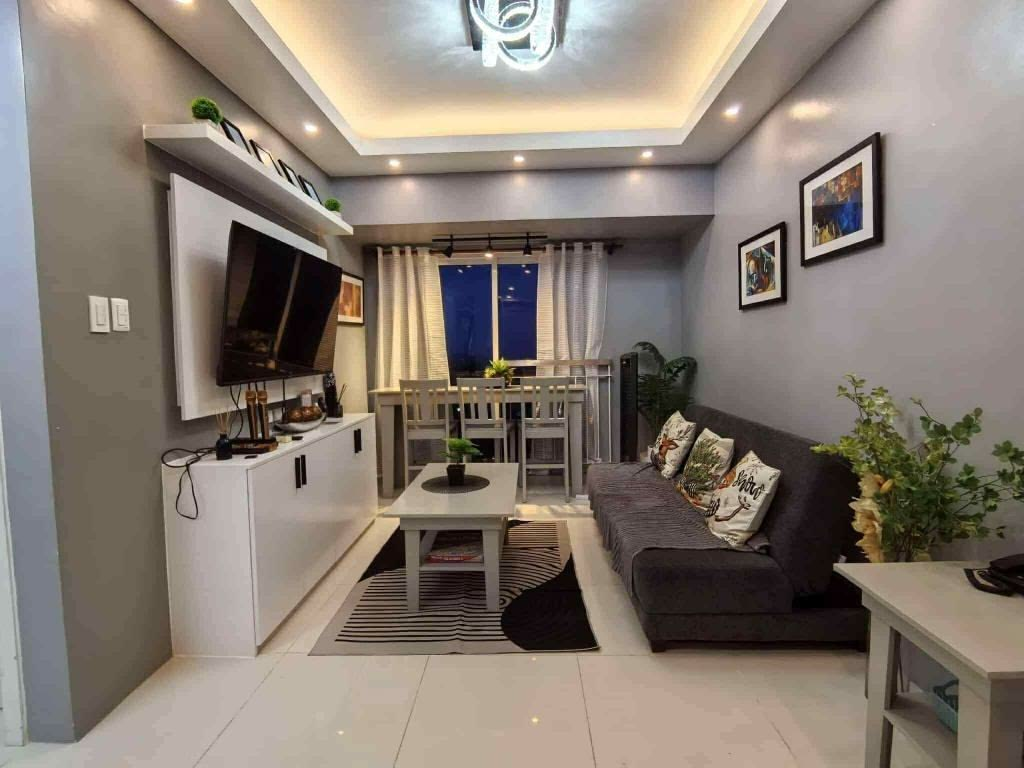
A thoughtfully decorated home positively affects both physical comfort and emotional well-being. Clean, organized, and attractive spaces help reduce stress, improve productivity, and create a pleasant environment for family members and guests. The right decor also increases the functionality of each room by making better use of available space.
Home decor can also increase property value and leave a lasting impression on visitors. Even simple updates such as fresh paint, improved lighting, stylish cushions, indoor plants, and organized storage can significantly enhance the appearance of your home. Investing time in decorating your home creates a space where you enjoy spending time every day.
Step-by-Step Guide to Home Decor
Step 1: Define Your Style
Before purchasing furniture or decorations, decide on your preferred decorating style. Browse magazines, websites, and social media for inspiration. Popular styles include minimalist, Scandinavian, farmhouse, industrial, bohemian, modern, and traditional.
Choose one primary style to maintain consistency throughout your home.
Step 2: Set a Budget
Determine how much you can comfortably spend before beginning your decorating project. Divide your budget into categories such as furniture, paint, lighting, rugs, curtains, accessories, and decorative items.
Prioritize essential purchases first and leave decorative extras for later if necessary.
Step 3: Choose a Color Palette
Select two to four complementary colors that create a balanced appearance. Neutral colors like white, gray, beige, and cream provide flexibility, while accent colors add personality and warmth.
Maintain a consistent color scheme across connected rooms for a harmonious look.
Step 4: Plan Furniture Placement
Arrange furniture to maximize comfort and movement. Avoid overcrowding the room with unnecessary pieces.
Leave enough walking space between furniture and create conversation areas that encourage interaction.
Step 5: Improve Lighting
Lighting dramatically changes the appearance of a room. Combine natural light with ceiling lights, table lamps, floor lamps, and wall lighting for the best results.
Warm lighting creates a cozy atmosphere, while brighter lighting works well for kitchens and workspaces.
Step 6: Add Decorative Accessories
Accessories bring personality into your home. Decorative pillows, throws, mirrors, artwork, candles, books, baskets, and decorative trays add interest without overwhelming the room.
Choose accessories that match your overall theme and avoid excessive decoration.
Step 7: Bring Nature Indoors
Indoor plants improve air quality while adding freshness and color. Low-maintenance plants like snake plants, pothos, peace lilies, and succulents are excellent choices for beginners.
Natural materials such as wood, stone, bamboo, and cotton also create a warm and inviting atmosphere.
Step 8: Decorate the Walls
Empty walls often make rooms feel incomplete. Hang artwork, framed photographs, floating shelves, decorative mirrors, or wall clocks to create visual interest.
Avoid placing wall decorations too high. Position them at eye level for the best appearance.
Step 9: Organize Your Space
Organization is an essential part of home decor. Use storage baskets, cabinets, shelves, and multi-purpose furniture to reduce clutter.
A clean and organized room automatically appears more attractive and spacious.
Step 10: Update Decor Seasonally
Small seasonal changes keep your home looking fresh throughout the year. Replace cushions, blankets, table decorations, flowers, or artwork to reflect different seasons and holidays without making major renovations.
Benefits of Home Decor
- Creates a comfortable and relaxing environment.
- Improves the overall appearance of your home.
- Reflects your personality and lifestyle.
- Makes rooms more functional.
- Increases property value.
- Enhances mood and emotional well-being.
- Impresses visitors and guests.
- Encourages cleanliness and organization.
- Maximizes available space.
- Makes everyday living more enjoyable.
- Improves lighting and comfort.
- Allows creative self-expression.
- Supports better productivity in home offices.
- Creates a welcoming atmosphere for family.
- Makes older homes feel fresh and modern.
Disadvantages / Risks
- Decorating can become expensive without proper budgeting.
- Following trends may lead to outdated designs.
- Buying too many decorations creates clutter.
- Poor furniture placement reduces room functionality.
- Low-quality products wear out quickly.
- Frequent redesigns require additional expenses.
- Mixing too many styles creates visual confusion.
- Incorrect lighting choices affect room ambiance.
- Large furniture may make small rooms feel cramped.
- Poor planning often results in unnecessary purchases.
Common Mistakes to Avoid
Many beginners purchase furniture before measuring their rooms. This often leads to oversized furniture that overcrowds the space or pieces that do not fit properly. Always measure your room and create a simple layout before shopping.
Another common mistake is decorating every corner with accessories. Too many decorative items create clutter instead of elegance. Maintain balance by leaving some open space. Avoid ignoring lighting, selecting mismatched colors, placing artwork too high, and buying trendy items that do not match your personal style. Focus on timeless designs that remain attractive for years.
FAQs
1. How can beginners start decorating their home?
Start by choosing your decorating style, setting a realistic budget, selecting a color palette, arranging furniture properly, and adding simple decorative accessories. Focus on one room at a time instead of decorating the entire house at once.
2. What is the most affordable way to decorate a home?
Painting walls, rearranging existing furniture, adding indoor plants, changing cushions, updating curtains, using decorative mirrors, and shopping during sales are affordable ways to improve your home’s appearance without spending much money.
3. Which colors make small rooms appear larger?
Light colors such as white, cream, beige, pale gray, and soft pastel shades reflect more light, making rooms appear brighter and larger. Combining these colors with mirrors further enhances the feeling of spaciousness.
4. How often should home decor be updated?
Major decorating changes are usually unnecessary every year. However, updating small accessories, seasonal decorations, cushions, rugs, or artwork every few months keeps your home looking fresh while remaining budget-friendly.
5. Are indoor plants good for home decor?
Yes. Indoor plants improve air quality, introduce natural beauty, reduce stress, and add color to any room. They are among the simplest and most affordable decorative elements for beginners.
6. How do I choose the right furniture?
Measure your available space first, consider the room’s purpose, select comfortable and durable materials, and choose furniture that matches your decorating style. Prioritize quality over quantity to ensure long-term value.
Expert Tips & Bonus Points
Professional decorators recommend starting with neutral foundations such as walls, flooring, and large furniture because these elements remain in your home for many years. Add personality through colorful accessories that can easily be replaced when trends or preferences change.
Always layer your decor by combining different textures, materials, and lighting. Mix wood, metal, fabric, glass, and greenery to create depth and visual interest. Invest in quality furniture whenever possible, keep your home organized, and remember that simplicity often creates the most elegant and timeless interiors.
Conclusion
Decorating your home is a rewarding journey that allows you to create a living space that reflects your personality while improving comfort and functionality. You do not need expensive furniture or professional interior designers to achieve beautiful results. By carefully planning your budget, selecting a consistent decorating style, choosing complementary colors, arranging furniture thoughtfully, improving lighting, and adding meaningful decorative elements, you can completely transform your home.
The key to successful home decor is balance. Focus on creating spaces that are both attractive and practical rather than filling every corner with decorations. Take your time, decorate one room at a time, and make choices that suit your daily lifestyle instead of simply following popular trends. Small improvements made consistently often produce the biggest impact.
Whether you are decorating a new home or refreshing your current living space, these beginner-friendly home decor ideas provide a solid foundation for success. With creativity, patience, and careful planning, you can design a beautiful home that feels comfortable, organized, and welcoming for years to come. Every thoughtful decorating decision brings you one step closer to creating a space that truly feels like home.