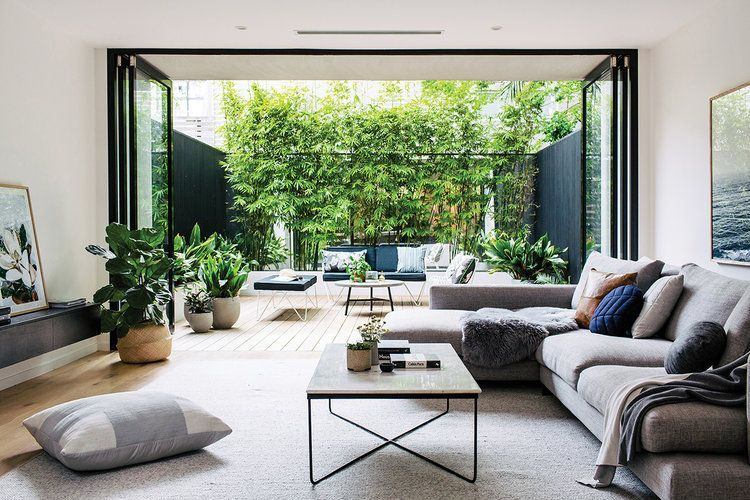

Modern living has transformed the way people work, communicate, learn, and spend their free time. From smart technology and digital communication to healthier lifestyles and sustainable choices, the modern world offers endless opportunities to improve daily life. However, it also introduces new challenges, including stress, information overload, and balancing personal and professional responsibilities. Understanding how to adapt to these changes is essential for anyone who wants to enjoy a fulfilling and productive life.
For beginners, modern living may seem complicated because it combines technology, health, finance, relationships, and personal development into one lifestyle. The good news is that anyone can embrace modern living by making small, consistent improvements. It is not about owning the latest gadgets or following every trend. Instead, it is about making thoughtful decisions that improve your quality of life while maintaining balance and well-being.
This guide explains everything you need to know about modern living in simple language. You will learn what modern living means, why it matters, practical steps to adopt it, its benefits, potential drawbacks, common mistakes, frequently asked questions, and expert advice. Whether you are a student, professional, homemaker, or retiree, this comprehensive guide will help you create a lifestyle that is efficient, healthy, and meaningful in today’s rapidly changing world.
What is Modern Living?
Modern living refers to a lifestyle that embraces current technologies, healthier habits, efficient routines, and sustainable practices to improve everyday life. It involves using modern tools and ideas while maintaining physical, mental, emotional, and financial well-being. Instead of focusing only on material success, modern living encourages people to build balanced lives that combine productivity with happiness.
Modern living also emphasizes continuous learning and adaptability. As society evolves, new technologies, work environments, and social expectations emerge. People who practice modern living remain open to change, improve their skills regularly, and make informed decisions that help them live more comfortably and responsibly.
Why is Modern Living Important?
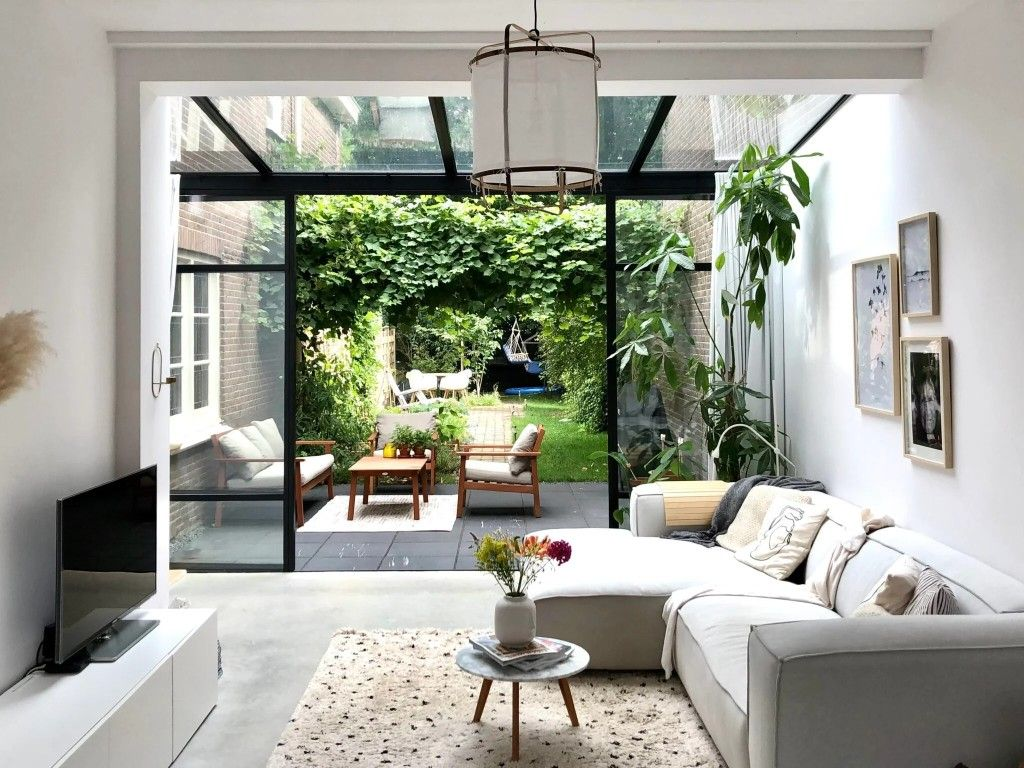
Modern living is important because it helps individuals keep pace with today’s fast-changing world. Technology continues to reshape education, healthcare, communication, and employment. Those who understand modern living can take advantage of these opportunities while reducing unnecessary stress and confusion. It enables people to become more organized, productive, and prepared for future challenges.
Additionally, modern living promotes healthier habits and stronger relationships. By managing time effectively, reducing unnecessary distractions, practicing self-care, and making environmentally responsible choices, individuals can enjoy better physical health, emotional stability, and financial security. A balanced modern lifestyle contributes to long-term success and personal satisfaction.
Step-by-Step Guide to Modern Living
Step 1: Create Clear Life Goals
Begin by identifying your personal, professional, financial, and health goals. Write them down and review them regularly. Clear goals provide direction and motivation while helping you prioritize important activities over distractions.
Step 2: Build Healthy Daily Habits
Develop routines that support your physical and mental health. Wake up at a consistent time, exercise regularly, eat nutritious meals, drink enough water, and maintain proper sleep habits. Small healthy routines create long-lasting improvements.
Step 3: Use Technology Wisely
Technology should simplify your life rather than control it. Use productivity apps, digital calendars, online learning platforms, and communication tools efficiently. Limit excessive screen time and avoid unnecessary social media scrolling.
Step 4: Organize Your Living Space
A clean and organized environment improves focus and reduces stress. Remove unnecessary clutter, organize your belongings, and create dedicated spaces for work, relaxation, and hobbies. A tidy home encourages better productivity.
Step 5: Manage Your Finances
Prepare a monthly budget and track your expenses. Save a portion of your income regularly and avoid unnecessary purchases. Financial planning provides security and reduces future stress.
Step 6: Continue Learning
Modern living requires continuous education. Read books, attend online courses, develop new skills, and stay informed about changes in your profession. Lifelong learning keeps you competitive and confident.
Step 7: Maintain Physical Fitness
Regular exercise supports overall health. Walking, cycling, swimming, yoga, or strength training all contribute to better energy levels, improved mood, and reduced health risks.
Step 8: Protect Mental Health
Practice mindfulness, meditation, or deep breathing exercises. Spend time outdoors, maintain hobbies, and seek support when needed. Good mental health improves decision-making and emotional resilience.
Step 9: Strengthen Relationships
Healthy relationships are essential for happiness. Spend quality time with family and friends, communicate honestly, and show appreciation for the people around you.
Step 10: Live Sustainably
Reduce waste, recycle whenever possible, conserve electricity and water, and choose environmentally friendly products. Sustainable living benefits both individuals and future generations.
Benefits of Modern Living
- Improves productivity and time management.
- Encourages healthier daily routines.
- Enhances physical and mental well-being.
- Increases financial awareness and stability.
- Simplifies communication through technology.
- Promotes lifelong learning and skill development.
- Creates cleaner and more organized living spaces.
- Supports environmental sustainability.
- Improves work-life balance.
- Encourages personal growth and self-confidence.
- Strengthens family and social relationships.
- Increases adaptability to future changes.
Disadvantages / Risks
- Excessive screen time can harm physical and mental health.
- Social media may create unrealistic expectations.
- Technology dependence can reduce face-to-face communication.
- Information overload may increase stress.
- Fast-paced lifestyles can cause burnout.
- Higher living costs in modern cities.
- Privacy concerns due to digital technologies.
- Sedentary lifestyles may lead to health problems.
- Constant notifications reduce concentration.
- Consumerism may encourage unnecessary spending.
Common Mistakes to Avoid
Many people believe modern living means buying expensive gadgets or following every trend. In reality, the focus should remain on improving quality of life rather than collecting possessions. Avoid comparing your lifestyle with others because every person’s priorities and circumstances are different.
Another common mistake is ignoring health while pursuing productivity. Long working hours without exercise, rest, or social interaction eventually reduce efficiency. People should also avoid poor financial planning, excessive social media use, and neglecting continuous learning. Sustainable habits create lasting success more effectively than short-term trends.
FAQs
1. What does modern living actually mean?
Modern living refers to adopting healthy habits, smart technologies, efficient routines, and balanced lifestyles that improve everyday life while supporting personal growth and well-being.
2. Does modern living require expensive technology?
No. Modern living focuses on making smart choices rather than owning costly devices. Even simple tools like smartphones, planners, or basic productivity apps can significantly improve daily life.
3. How can beginners start modern living?
Beginners should start by improving daily routines, organizing their homes, managing finances, exercising regularly, learning new skills, and using technology responsibly.
4. Is modern living suitable for families?
Yes. Families can benefit by creating healthy routines, sharing responsibilities, reducing unnecessary expenses, spending quality time together, and encouraging continuous learning.
5. How does modern living improve mental health?
Modern living promotes better time management, healthy habits, work-life balance, mindfulness, and meaningful relationships, all of which contribute to lower stress levels and improved emotional well-being.
6. Can modern living support environmental protection?
Yes. Sustainable habits such as recycling, reducing waste, conserving energy, and choosing eco-friendly products help protect the environment while improving daily life.
Expert Tips & Bonus Points
Successful modern living is based on consistency rather than perfection. Focus on making one small improvement at a time instead of changing everything at once. Even simple habits like reading for twenty minutes each day or walking after dinner create significant long-term results.
Review your goals every month and adjust your routines as your life changes. Keep learning, stay flexible, and remember that technology is a tool—not a replacement for meaningful relationships, good health, and personal values. Prioritize experiences over possessions and always maintain balance between work, family, health, and personal growth.
Conclusion
Modern living is more than following trends or using advanced technology. It is about creating a balanced lifestyle that supports health, happiness, productivity, financial stability, and meaningful relationships. By combining smart habits with responsible decision-making, individuals can enjoy greater confidence and improved quality of life. Every small positive change contributes to long-term personal growth and success.
The journey toward modern living begins with simple daily actions. Organize your environment, care for your health, manage your finances wisely, continue learning, and use technology responsibly. Avoid common mistakes such as overworking, overspending, or becoming overly dependent on digital devices. Instead, focus on building sustainable habits that align with your personal goals and values.
Remember that modern living is not about perfection or keeping up with every new trend. It is about making intentional choices that help you live a healthier, happier, and more balanced life. By applying the practical strategies and expert advice shared in this guide, you can confidently embrace modern living and create a future filled with growth, resilience, and lasting well-being.