
Introduction
Personal style is much more than choosing attractive clothes or following the latest fashion trends. It is a reflection of your personality, values, lifestyle, and confidence. The way you dress, accessorize, and present yourself tells a story before you even speak. Developing a personal style helps you express your individuality while making daily decisions easier and more enjoyable.
Many beginners believe that creating a personal style requires an expensive wardrobe or a deep knowledge of fashion. In reality, personal style is about understanding yourself and making thoughtful choices that match who you are. Whether you prefer classic, casual, minimalist, sporty, elegant, or creative fashion, your style should make you feel comfortable and authentic.
A strong personal style also has practical benefits. It saves time when getting dressed, reduces unnecessary shopping, improves self-confidence, and helps create a memorable first impression. Instead of copying others, you learn to appreciate what works best for your body, personality, and daily routine.
This comprehensive guide explains everything beginners need to know about personal style. You’ll learn what personal style means, why it matters, how to develop your own unique look step by step, the benefits and challenges, common mistakes to avoid, frequently asked questions, and expert tips that will help you build a wardrobe you truly enjoy.
What is Personal Style?
Personal style is the unique way an individual expresses themselves through clothing, accessories, grooming, colors, footwear, and overall appearance. It reflects personal preferences rather than temporary fashion trends, making it a lasting representation of identity.
Unlike fashion, which changes from season to season, personal style remains consistent while evolving naturally with age, experience, career, and lifestyle. A well-developed personal style combines comfort, confidence, practicality, and individuality, allowing you to look and feel your best in every situation.
Why is Personal Style Important?
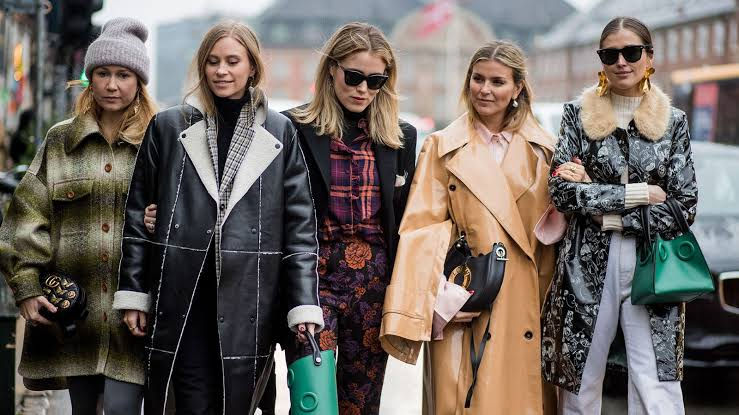
Personal style plays an essential role in both personal and professional life. It influences first impressions, boosts self-confidence, and helps people communicate aspects of their personality without saying a word. Dressing intentionally often creates a positive mindset that improves confidence and daily productivity.
Having a defined personal style also reduces decision fatigue. Instead of feeling overwhelmed by countless clothing choices or constantly chasing trends, you build a wardrobe that suits your needs and reflects your identity. This leads to smarter shopping habits, greater satisfaction, and a more organized lifestyle.
Step-by-Step Guide to Developing Your Personal Style
Step 1: Understand Your Lifestyle
Begin by evaluating your daily routine. Consider where you spend most of your time, whether at work, school, social gatherings, home, or outdoor activities. Your wardrobe should support your lifestyle instead of working against it.
Step 2: Discover Your Preferences
Browse fashion magazines, websites, Pinterest boards, or social media for inspiration. Save outfits that genuinely appeal to you and identify recurring themes such as colors, patterns, fabrics, or silhouettes.
Step 3: Define Your Style Keywords
Choose three to five words that describe your ideal appearance. Examples include elegant, modern, casual, timeless, minimalist, bold, sophisticated, relaxed, or creative. These keywords will guide your future purchases.
Step 4: Analyze Your Current Wardrobe
Sort through your clothing and identify the items you wear most frequently. Notice what makes them your favorites. Donate or recycle pieces that no longer fit your style, body, or lifestyle.
Step 5: Learn What Flatters Your Body
Every body shape is unique. Understanding your proportions helps you choose clothing that enhances your natural features. Focus on proper fit rather than size labels.
Step 6: Build a Strong Foundation
Invest in versatile wardrobe essentials such as quality jeans, neutral shirts, well-fitted trousers, comfortable shoes, jackets, and classic outerwear. These pieces create countless outfit combinations.
Step 7: Choose a Color Palette
Select colors that complement your skin tone and coordinate easily. A balanced wardrobe usually combines neutral colors with a few accent shades that reflect your personality.
Step 8: Add Accessories Carefully
Accessories complete an outfit without overwhelming it. Watches, belts, scarves, jewelry, handbags, hats, and sunglasses should enhance your appearance rather than dominate it.
Step 9: Shop Intentionally
Avoid impulse buying. Before purchasing anything, ask whether it matches your style, fits your wardrobe, and serves a practical purpose.
Step 10: Continue Refining Your Style
Personal style evolves naturally over time. Review your wardrobe regularly and adjust it according to changes in your career, interests, lifestyle, and personal growth.
Benefits of Personal Style
Personal style offers numerous advantages that go beyond appearance.
- Builds confidence and self-esteem.
- Creates memorable first impressions.
- Saves time when choosing outfits.
- Reduces unnecessary shopping.
- Encourages smarter spending.
- Reflects your personality authentically.
- Improves professional appearance.
- Makes wardrobe organization easier.
- Promotes consistency in your image.
- Helps you feel comfortable in every situation.
- Supports sustainable fashion habits.
- Increases satisfaction with your clothing choices.
Disadvantages / Risks
Although personal style has many benefits, there are some potential challenges.
- Developing a signature style takes time.
- Beginners may spend money experimenting.
- Social pressure may encourage copying trends.
- Fashion inspiration can become overwhelming.
- Poor-quality purchases waste money.
- Overthinking clothing choices can reduce confidence.
- Personal style may need updates as life changes.
- Following trends too closely may weaken individuality.
Common Mistakes to Avoid
One of the biggest mistakes beginners make is copying someone else’s style without considering their own personality and lifestyle. Inspiration is valuable, but imitation often leads to disappointment because every individual has different preferences, body types, and daily needs.
Another common mistake is prioritizing trends over quality. Buying inexpensive trend-driven clothing that quickly goes out of fashion usually results in a cluttered wardrobe. Ignoring proper fit, purchasing items simply because they are on sale, wearing uncomfortable clothing, avoiding experimentation, and failing to organize your wardrobe regularly are additional mistakes that can slow your style journey.
FAQs
1. What is the difference between fashion and personal style?
Fashion refers to popular trends that change frequently, while personal style is your unique and consistent way of expressing yourself regardless of changing trends.
2. Can I develop personal style on a small budget?
Yes. Building personal style does not require expensive clothing. Focus on versatile basics, quality over quantity, and thoughtful purchases that match your personality.
3. How long does it take to find my personal style?
There is no fixed timeline. Some people discover their style within a few months, while others continue refining it for years as their lifestyle and preferences evolve.
4. Should I follow fashion trends?
You can incorporate trends that genuinely suit your style, but avoid following every trend simply because it is popular. Choose pieces that complement your existing wardrobe.
5. How often should I update my wardrobe?
Review your wardrobe at least twice a year. Remove items you no longer wear and replace worn-out essentials with quality alternatives.
6. Why is fit more important than brand?
Well-fitted clothing always looks more polished than expensive designer clothing with poor fit. Proper tailoring often improves appearance more than purchasing luxury brands.
7. Can personal style improve confidence?
Absolutely. Wearing clothing that reflects your personality and fits comfortably can improve self-esteem, reduce self-consciousness, and help you feel more prepared for daily activities.
8. Is personal style only about clothing?
No. Personal style includes grooming, hairstyle, accessories, footwear, posture, and the overall way you present yourself to others.
Expert Tips & Bonus Points
Start by creating a capsule wardrobe with versatile essentials that mix and match easily. Focus on timeless pieces before adding trendy items. Always prioritize proper fit over brand names because tailoring can dramatically improve the appearance of affordable clothing.
Take photos of outfits you enjoy wearing so you can identify patterns in your preferences. Invest in quality shoes since they significantly influence your overall appearance. Maintain your clothing through proper washing, ironing, and storage to extend its lifespan. Finally, remember that confidence is the most important part of personal style. Even the best outfit looks better when worn with comfort and self-assurance.
Conclusion
Personal style is a lifelong journey of self-expression, confidence, and personal growth. Rather than chasing every new fashion trend, developing your own style allows you to build a wardrobe that genuinely reflects who you are. By understanding your lifestyle, identifying your preferences, choosing flattering clothing, investing in versatile essentials, and shopping intentionally, you can create a style that feels authentic and practical.
For beginners, the process may require patience and experimentation, but every step contributes to greater confidence and better decision-making. Personal style is not about perfection or wearing expensive brands. It is about feeling comfortable, expressing your personality, and making thoughtful choices that support your everyday life.
As your experiences, career, and interests evolve, your style will naturally grow with you. Continue learning, refining your wardrobe, and embracing what makes you unique. The goal is not to impress others but to feel confident in your own appearance. When your clothing reflects your true personality, getting dressed becomes simpler, shopping becomes smarter, and your confidence grows with every outfit you wear. A well-developed personal style is one of the most valuable investments you can make in yourself because it combines authenticity, comfort, practicality, and lasting confidence.