
Introduction
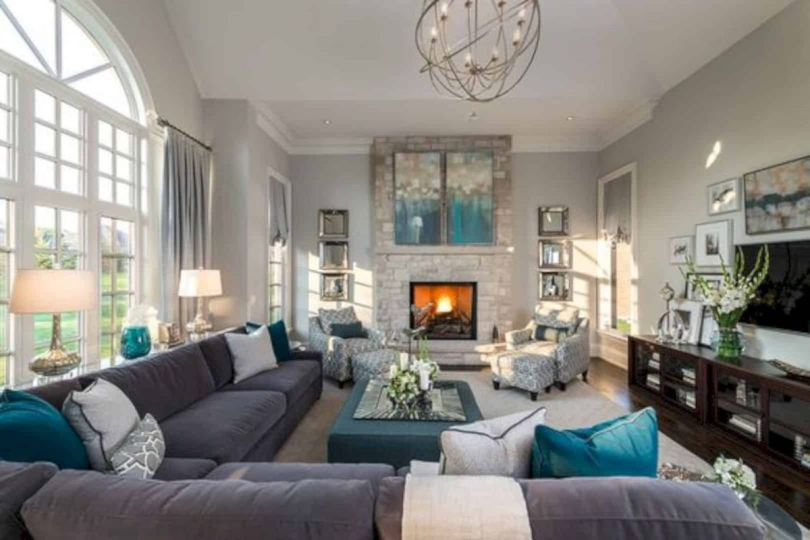
Interior design is much more than decorating a room with beautiful furniture and attractive colors. It is the art and science of creating spaces that are comfortable, functional, visually appealing, and suitable for everyday living. Whether you are designing a small apartment, a family home, or a home office, understanding the basics of interior design can completely transform the way a space looks and feels.
Many beginners assume that interior design requires expensive furniture or professional expertise. In reality, anyone can learn the fundamental principles of interior design and create stunning interiors with proper planning and creativity. The key is to understand how colors, lighting, furniture, textures, and layouts work together to build a balanced environment.
A well-designed space improves comfort, enhances productivity, reduces stress, and reflects your personal style. Even small changes, such as rearranging furniture, adding better lighting, or choosing the right color palette, can make a dramatic difference. Interior design also helps maximize available space, making homes more practical and enjoyable.
This comprehensive beginner’s guide covers everything you need to know about interior design. You’ll learn what interior design is, why it matters, how to design a room step by step, its advantages and disadvantages, common mistakes to avoid, frequently asked questions, and expert tips that can help you achieve professional-looking results without unnecessary expense.
What is Interior Design?
Interior design is the process of planning, organizing, and decorating indoor spaces to improve their appearance, functionality, and comfort. It combines creativity with practical problem-solving to create environments that meet the needs of the people using them. Every design decision, from furniture placement to lighting selection, contributes to the overall experience of the space.
Unlike simple decoration, interior design considers room dimensions, movement, lighting, color psychology, storage, safety, and usability. Professional designers create spaces that are not only attractive but also practical and efficient. Beginners can apply these same principles on a smaller scale by understanding design fundamentals and making thoughtful choices.
Why is Interior Design Important?
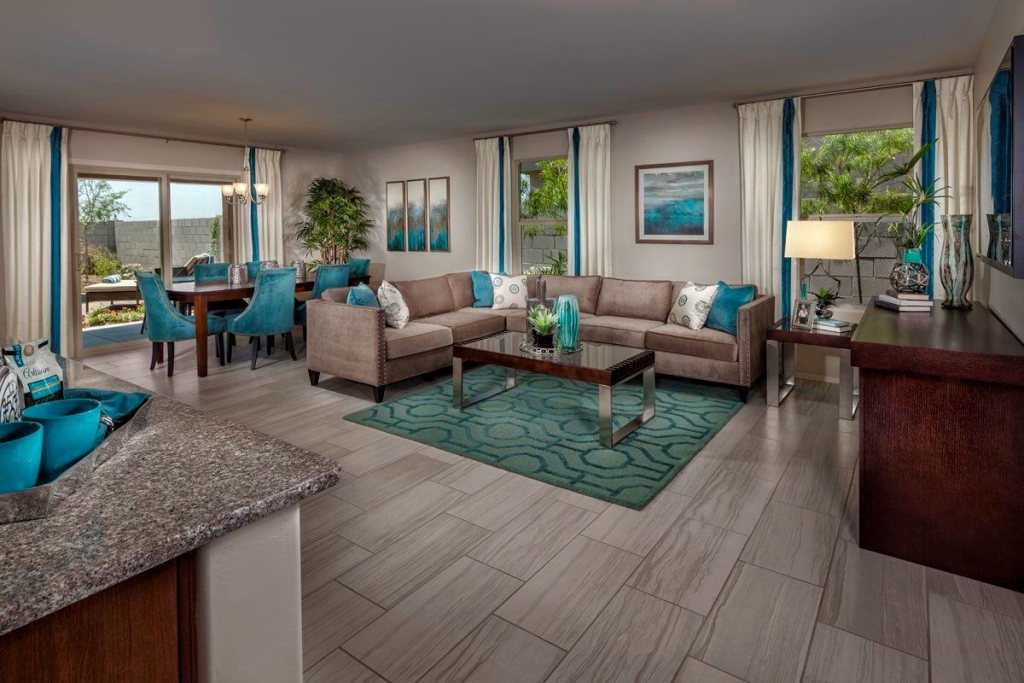
Interior design plays an essential role in improving both the appearance and functionality of indoor spaces. A thoughtfully designed room enhances daily life by making activities easier, increasing comfort, and creating a welcoming atmosphere. Good design also improves organization, reduces clutter, and makes better use of available space.
Beyond aesthetics, interior design influences emotions and productivity. Bright, organized environments often improve focus and happiness, while relaxing color schemes help reduce stress. Whether designing a home, office, restaurant, or retail store, interior design creates spaces that positively affect the people who use them every day.
Step-by-Step Guide to Interior Design
Step 1: Understand the Purpose of the Room
Before purchasing furniture or choosing paint colors, determine how the room will be used. A bedroom should encourage relaxation, while a home office should support concentration. The room’s purpose guides every design decision.
Identify who will use the space, how often it will be used, and what activities will take place there. This planning stage prevents unnecessary purchases and creates a more practical design.
Step 2: Measure the Space
Accurate measurements are essential for successful interior design. Measure the room’s length, width, height, doors, windows, and any architectural features.
Proper measurements help you select appropriately sized furniture and prevent overcrowding or wasted space. Drawing a simple floor plan makes arranging furniture much easier.
Step 3: Choose a Design Style
Selecting a design style creates consistency throughout the room. Popular interior design styles include:
- Modern
- Minimalist
- Scandinavian
- Traditional
- Industrial
- Rustic
- Contemporary
- Bohemian
- Farmhouse
- Coastal
Choose one primary style instead of mixing too many different themes.
Step 4: Create a Color Palette
Colors influence mood, energy, and the perception of space. Light colors make rooms appear larger, while darker colors create warmth and intimacy.
A beginner-friendly palette usually includes:
- One primary color
- One secondary color
- One accent color
- Neutral shades for balance
Maintain consistency across walls, furniture, rugs, curtains, and accessories.
Step 5: Plan Furniture Placement
Furniture arrangement determines how comfortable and functional a room feels.
Leave enough walking space, position major furniture pieces first, and avoid blocking natural light or doorways. The largest furniture item usually serves as the room’s focal point.
Step 6: Select Appropriate Lighting
Lighting dramatically affects both beauty and functionality.
Use three types of lighting:
- Ambient lighting for overall illumination
- Task lighting for reading or working
- Accent lighting to highlight artwork or decorative features
Natural light should always be maximized whenever possible.
Step 7: Add Texture and Materials
Texture creates visual interest and depth.
Mix materials such as:
- Wood
- Glass
- Metal
- Stone
- Cotton
- Linen
- Velvet
- Leather
Combining different textures prevents the room from feeling flat or boring.
Step 8: Choose Decorative Accessories
Accessories personalize a space without overwhelming it.
Popular decorative items include:
- Artwork
- Plants
- Mirrors
- Rugs
- Throw pillows
- Decorative vases
- Candles
- Books
Avoid filling every empty surface. Simple decoration often looks more elegant.
Step 9: Organize Storage
Storage is one of the most overlooked elements of interior design.
Use cabinets, floating shelves, storage baskets, hidden compartments, and multifunctional furniture to reduce clutter while maintaining an attractive appearance.
Step 10: Review and Improve
Once everything is in place, evaluate the room.
Check whether the layout feels comfortable, colors work together, lighting is sufficient, and decorations are balanced. Small adjustments often make a significant improvement.
Benefits of Interior Design
- Improves the beauty of living spaces.
- Increases comfort and relaxation.
- Makes rooms more functional.
- Maximizes available space.
- Enhances property value.
- Encourages better organization.
- Reduces clutter.
- Creates a healthier indoor environment.
- Improves productivity in workspaces.
- Reflects personal style and personality.
- Enhances natural lighting.
- Improves mood and emotional well-being.
- Makes entertaining guests more enjoyable.
- Supports better daily routines.
- Creates long-lasting living environments.
Disadvantages / Risks
- Professional interior design services can be expensive.
- Poor planning may lead to unnecessary spending.
- Following trends too closely can make designs outdated quickly.
- Low-quality furniture may require frequent replacement.
- Overdecorating creates visual clutter.
- Incorrect color choices can negatively affect mood.
- Poor lighting reduces comfort and usability.
- Large renovations may take significant time.
- DIY mistakes can increase overall costs.
- Frequent redesigns may exceed the available budget.
Common Mistakes to Avoid
One of the biggest mistakes beginners make is purchasing furniture before measuring the room. Oversized furniture creates cramped spaces, while undersized pieces make rooms feel empty. Always measure carefully before shopping and create a simple floor plan.
Another common mistake is ignoring lighting. Even beautiful furniture loses its appeal in poorly lit rooms. Avoid using only one ceiling light. Instead, combine ambient, task, and accent lighting to create a balanced environment. Many beginners also overdecorate with too many accessories, colors, and patterns. Choosing a consistent style, limiting decorative items, and maintaining open space produces a cleaner and more sophisticated appearance.
FAQs
1. What is the difference between interior design and interior decoration?
Interior design focuses on both functionality and aesthetics by planning layouts, lighting, furniture placement, and space usage. Interior decoration mainly involves selecting decorative elements such as colors, furniture, artwork, and accessories without altering the structure of the space.
2. Can beginners learn interior design?
Yes. Anyone can learn interior design by studying basic design principles, practicing room planning, understanding color combinations, and observing professionally designed spaces. Experience improves skills over time.
3. Do I need expensive furniture for good interior design?
No. Good interior design depends more on planning, balance, and functionality than price. Affordable furniture arranged thoughtfully can create beautiful interiors that look stylish and comfortable.
4. Which colors make a room appear larger?
Light colors such as white, cream, beige, light gray, and soft pastel shades reflect more light, making rooms feel brighter, larger, and more open.
5. How important is lighting in interior design?
Lighting is one of the most important elements because it affects visibility, mood, comfort, and the appearance of colors and furniture. Combining different lighting types creates a more attractive and functional room.
6. What is the first step in designing any room?
The first step is identifying the room’s purpose and understanding the needs of the people who will use it. This guides every design decision that follows, including layout, furniture selection, lighting, and decoration.
Expert Tips & Bonus Points
Professional designers always begin with a detailed plan before purchasing anything. Creating a realistic budget helps prioritize essential items and prevents unnecessary expenses. Investing in timeless furniture while using affordable accessories for seasonal updates creates long-lasting value.
Use mirrors to increase natural light and make smaller rooms feel larger. Introduce indoor plants to improve freshness and visual appeal. Maintain a balance between empty space and decoration instead of filling every corner. Choose quality over quantity when selecting furniture and accessories. Finally, remember that comfort should always be as important as appearance. A beautiful room should also be practical for everyday living.
Conclusion
Interior design is a rewarding skill that allows anyone to create attractive, functional, and comfortable living spaces. It combines creativity with thoughtful planning to improve how people experience their homes and workplaces. By understanding the basic principles of layout, color, lighting, furniture arrangement, texture, and storage, beginners can confidently transform ordinary rooms into beautiful environments that reflect their personal style.
Successful interior design does not depend on expensive furniture or luxury decorations. Instead, it relies on making informed decisions, planning carefully, and maintaining balance throughout the space. Even small improvements such as choosing the right colors, maximizing natural light, reducing clutter, and arranging furniture efficiently can significantly enhance the overall atmosphere of a room.
As you continue learning and experimenting, your confidence and design skills will naturally improve. Every project offers new opportunities to discover creative solutions and develop your unique style. Whether you are decorating a single bedroom or redesigning an entire home, applying the principles outlined in this guide will help you create spaces that are both visually appealing and highly functional. With patience, practice, and attention to detail, anyone can achieve professional-looking interior design results while staying within budget.