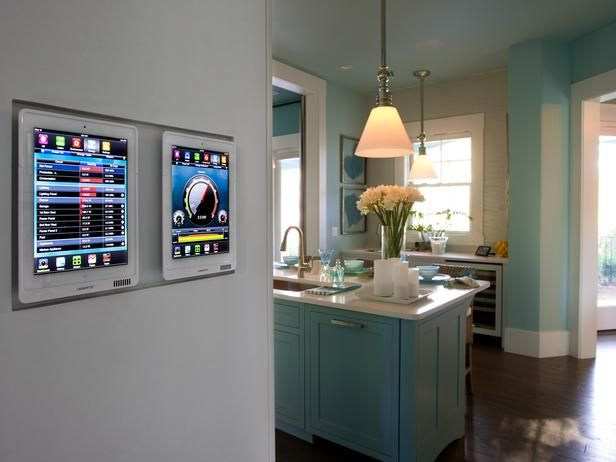

Smart homes are no longer a luxury reserved for technology enthusiasts. Thanks to affordable smart devices and easy-to-use apps, anyone can transform their home into a more convenient, secure, and energy-efficient living space. Whether you live in a small apartment or a large family home, smart technology can make everyday tasks easier while improving comfort and saving money over time.
Many beginners hesitate to start because they believe smart home systems are expensive or difficult to install. In reality, most modern smart devices are designed for simple setup and require little technical knowledge. From smart lighting and voice assistants to intelligent security cameras and automated thermostats, there are countless options that fit different budgets and lifestyles.
This guide explores practical smart home ideas that are perfect for beginners. You’ll learn what a smart home is, why it has become increasingly popular, and how to build your own smart home step by step. You’ll also discover the advantages, possible drawbacks, common mistakes to avoid, frequently asked questions, and expert tips that will help you make informed decisions. By the end of this guide, you’ll have a clear understanding of how to create a connected home that improves convenience, enhances safety, and simplifies your daily routine without overwhelming your budget.
What is Smart Home Ideas?
Smart home ideas refer to practical ways of using internet-connected devices to automate, monitor, and control different parts of your home. These ideas include installing smart lights, smart locks, security cameras, voice assistants, smart thermostats, automated curtains, and many other connected devices that work together to improve everyday living.
Instead of manually operating every appliance, smart technology allows homeowners to control devices through smartphone apps, voice commands, or automated schedules. Many systems can even learn your habits over time, making your home more efficient and comfortable while reducing unnecessary energy consumption.
Why is Smart Home Ideas Important?
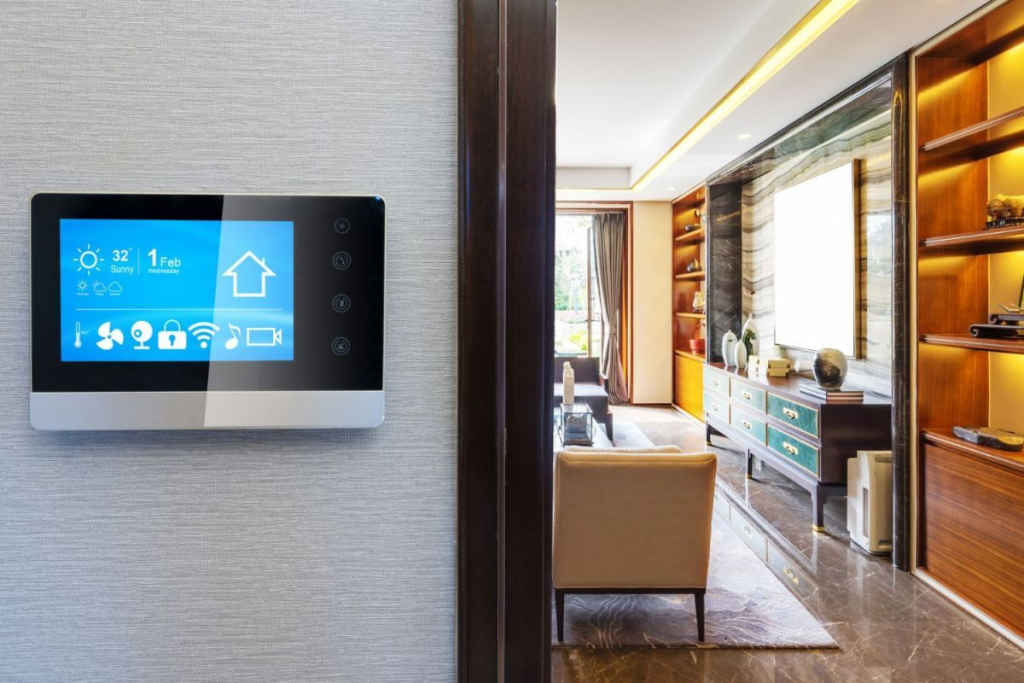
Smart home technology improves convenience by reducing repetitive daily tasks. Simple actions like turning lights on, adjusting room temperature, or locking doors can be completed remotely or automatically. This creates a more comfortable and stress-free living environment for families, seniors, and busy professionals.
Another major advantage is improved safety and energy efficiency. Smart cameras, motion sensors, smoke detectors, and video doorbells help protect your property while smart lighting and thermostats reduce electricity usage. These improvements not only increase comfort but also lower monthly utility bills and provide greater peace of mind.
Step-by-Step Guide to Creating a Smart Home
Step 1: Decide Your Budget
Begin by determining how much you want to spend. Smart homes can start with a single affordable device or expand into a complete automated system. Setting a budget helps prioritize essential purchases.
Step 2: Choose a Smart Home Platform
Select a platform that connects your devices together. Popular ecosystems include Google Home, Amazon Alexa, and Apple HomeKit. Sticking with one platform improves compatibility and simplifies management.
Step 3: Install a Smart Speaker
A smart speaker acts as the control center for many smart home devices. It allows you to use voice commands to play music, answer questions, control lights, and automate routines.
Step 4: Upgrade Your Lighting
Replace traditional bulbs with smart LED bulbs. These allow remote control, brightness adjustment, scheduling, and color customization while consuming less electricity.
Step 5: Improve Home Security
Install smart security cameras, video doorbells, smart locks, and motion sensors. These devices allow real-time monitoring and instant alerts whenever unusual activity is detected.
Step 6: Add Smart Plugs
Smart plugs transform ordinary appliances into smart devices. You can remotely control lamps, coffee makers, fans, and other electronics without replacing them.
Step 7: Install a Smart Thermostat
A smart thermostat automatically adjusts indoor temperatures according to your schedule. This reduces energy waste while maintaining a comfortable home environment.
Step 8: Automate Daily Routines
Create automation routines that combine multiple devices. For example, saying “Good Morning” can turn on lights, start the coffee machine, and provide weather updates simultaneously.
Step 9: Organize Device Security
Use strong passwords, enable two-factor authentication, and regularly update device software to protect your smart home from cybersecurity threats.
Step 10: Expand Gradually
Avoid purchasing every device at once. Start with basic products and slowly expand your smart home based on your lifestyle and daily needs.
Benefits of Smart Home Ideas
Smart home technology provides numerous advantages for homeowners.
- Greater daily convenience
- Remote control from anywhere
- Lower electricity bills
- Better home security
- Increased property value
- Voice-controlled automation
- Improved comfort
- Better accessibility for elderly family members
- Customizable schedules
- Real-time notifications
- Enhanced energy efficiency
- Reduced manual work
- Easy monitoring while traveling
- Integration with multiple devices
- Modern living experience
Disadvantages / Risks
Although smart homes offer many benefits, they also have some challenges.
- Higher initial setup cost
- Internet dependency
- Possible compatibility issues
- Privacy concerns
- Cybersecurity risks
- Learning curve for beginners
- Device maintenance requirements
- Occasional software bugs
- Power outages can affect automation
- Some devices require subscription services
Common Mistakes to Avoid
One of the biggest mistakes beginners make is buying devices without checking compatibility. Different brands may not work well together, leading to frustration and unnecessary expenses. Choosing one smart home ecosystem before purchasing devices creates a smoother experience.
Another common mistake is ignoring cybersecurity. Weak passwords, outdated software, and unsecured Wi-Fi networks can expose smart devices to hackers. Regular updates, strong passwords, and secure network settings significantly improve overall safety. Many homeowners also purchase too many devices at once instead of gradually expanding their system based on actual needs and daily routines.
FAQs
1. What is the easiest smart home device for beginners?
Smart speakers and smart bulbs are the easiest devices to start with. They require minimal installation and immediately introduce users to home automation.
2. Are smart homes expensive?
Not necessarily. Many affordable smart devices are available today. Beginners can build a useful smart home by purchasing one device at a time according to their budget.
3. Do smart home devices require Wi-Fi?
Most smart devices require a stable Wi-Fi connection to provide remote access, automation, and communication with smartphone apps.
4. Can I install smart devices myself?
Yes. Most beginner-friendly smart products include step-by-step instructions and can be installed without professional assistance.
5. Are smart homes secure?
Smart homes can be very secure when users enable strong passwords, activate two-factor authentication, update firmware regularly, and secure their Wi-Fi network.
6. Which rooms should I automate first?
Most homeowners begin with the living room, bedroom, and entrance. Smart lighting, security cameras, smart plugs, and voice assistants provide the greatest immediate value.
Expert Tips & Bonus Points
Start with devices that solve everyday problems instead of purchasing technology simply because it is popular. Focus on products that improve convenience, save energy, or enhance security. Gradually expand your smart home after gaining experience with your first few devices.
Choose reputable brands known for long-term software support and regular security updates. Keep all devices updated, organize automation routines carefully, and label connected devices for easier management. Investing in a reliable Wi-Fi router also improves the performance of your entire smart home system. Consider creating backup automation plans so essential functions continue operating even if your internet connection becomes temporarily unavailable.
Conclusion
Smart home ideas provide practical solutions that make everyday life easier, safer, and more efficient. Whether you begin with smart lighting, security cameras, voice assistants, or automated thermostats, every small improvement contributes to a more comfortable and connected home. Modern smart devices have become affordable, reliable, and simple enough for beginners to install without requiring advanced technical knowledge.
The key to building a successful smart home is starting small and expanding gradually. Focus on devices that solve real problems rather than buying unnecessary gadgets. Always prioritize compatibility, cybersecurity, and long-term reliability when selecting products. With careful planning, smart technology can reduce energy costs, improve home security, simplify daily routines, and increase overall convenience for every member of the household.
As technology continues to evolve, smart homes will become even more intelligent and accessible. By learning the basics today, you can confidently build a connected home that meets your current needs while remaining flexible for future upgrades. Whether your goal is saving money, improving safety, or enjoying a more convenient lifestyle, implementing smart home ideas is a practical investment that delivers lasting value and transforms the way you experience your home.